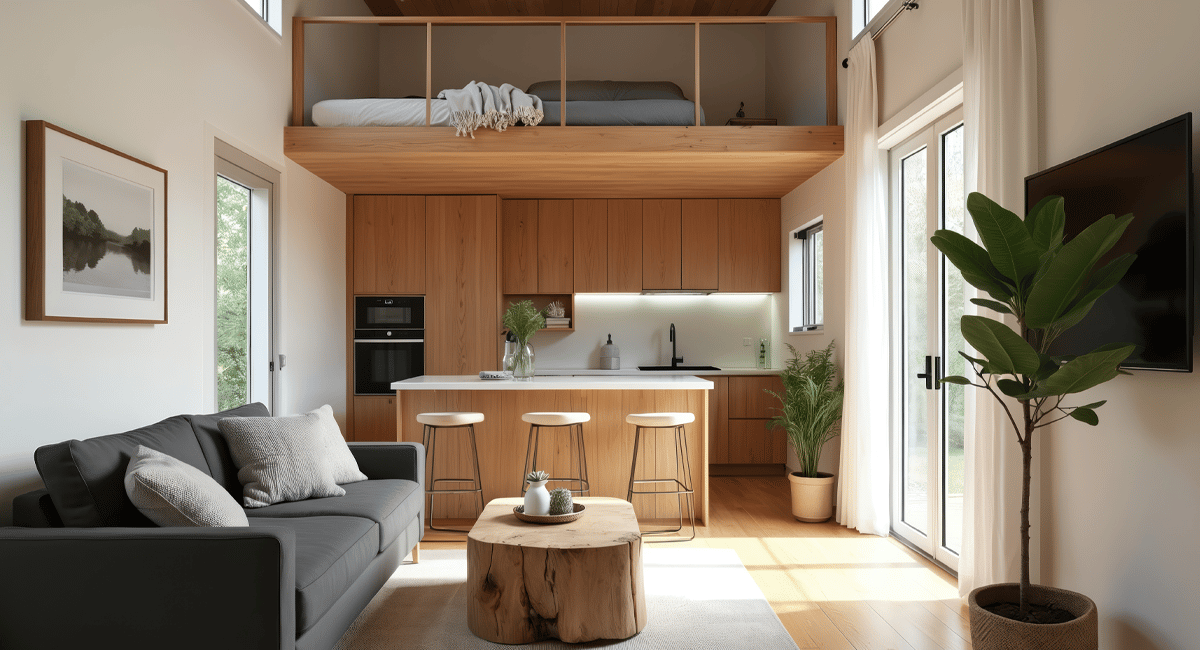
ADUs have been pitched as guesthouses, rentals, offices, family suites, and instant value-adds. But after several years of enthusiasm, buyers are becoming more selective.
The question is no longer simply whether a property has an ADU. It is whether the space is genuinely useful.
A valuable ADU starts with a clear purpose. It should work comfortably as a guest suite, office, rental, or independent living space without feeling improvised. The strongest examples also allow that purpose to change over time. A workspace today may become a suite for a parent, adult child, caregiver, or long-term guest later.
Privacy is equally important. A separate entrance helps, but thoughtful access matters even more. Guests or tenants should not have to cross the main home’s most private outdoor areas to reach the unit. Landscaping, fencing, window placement, and lighting can create separation without making the property feel divided.
Inside, small details carry unusual weight. Because ADUs are compact, poor layouts become obvious quickly. Awkward door swings, limited storage, weak natural light, or an undersized kitchen can make a space feel temporary rather than comfortable.
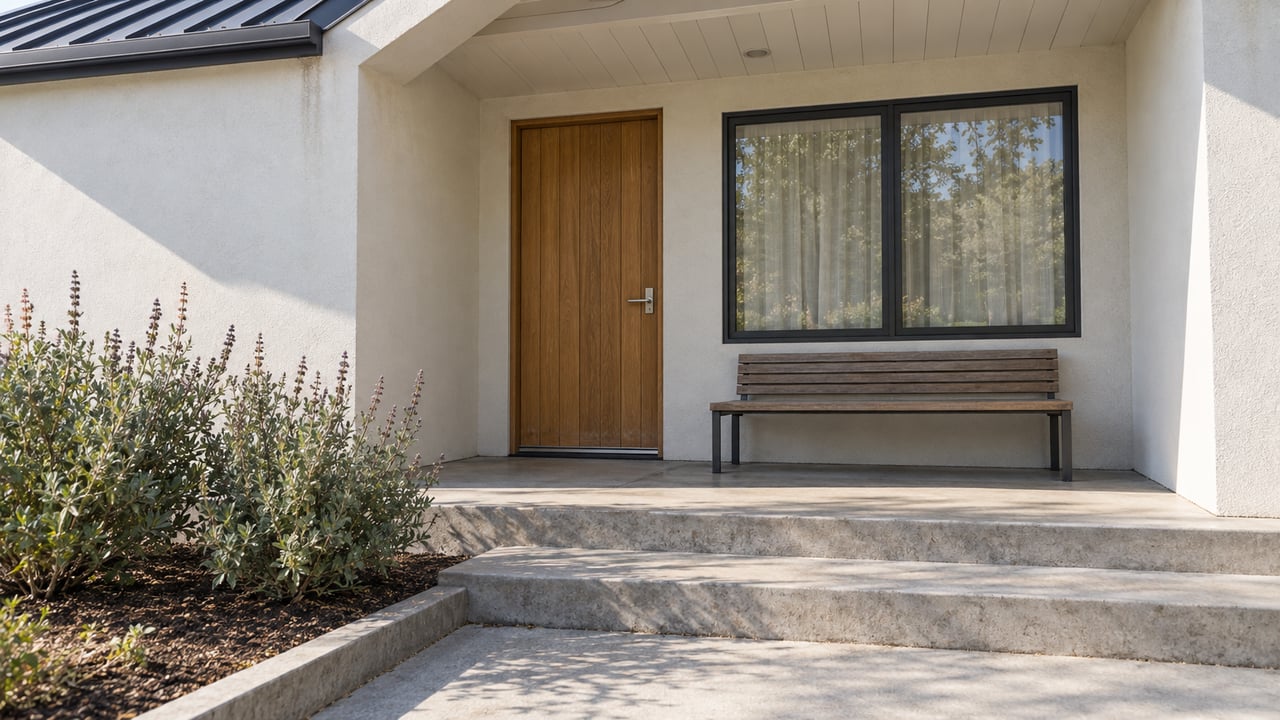
The best ADUs feel complete. They have a real entry, useful storage, proper heating and cooling, and enough separation from the main house to function independently. A small patio or garden can make an especially meaningful difference, giving the unit a sense of place rather than leaving it stranded in the backyard. As BGG’s earlier article on ADUs noted, the strongest examples often succeed through simple architectural moves: generous openings, warm materials, thoughtful built-ins, and outdoor space treated as an extension of the interior.
An ADU should also improve the property without diminishing the main house. If it blocks sunlight, overwhelms the yard, eliminates the only useful outdoor area, or creates privacy concerns, buyers may see the tradeoff before they see the benefit.
Architectural compatibility matters, too. The ADU does not need to copy the original home, but its scale, materials, roofline, and landscaping should feel intentional. On the Westside, where buyers often respond to character and coherence, a poorly integrated addition can feel more like clutter than an asset.
Finally, documentation matters. Buyers may want to understand permitting, utilities, access, and how the unit can legally be used. Homeowners should independently verify local requirements and consult the appropriate professionals before relying on an ADU for rental income or other financial purposes.
The best ADUs do not simply add square footage. They add options.
That is their real value: the ability to support work, family, guests, income, or changing life stages without requiring the entire property to be reinvented.