Luxury used to be easier to identify. It announced itself through square footage, dramatic entrances, formal rooms, and finishes selected to be noticed.
Those details still matter, but many buyers on the Westside are looking beyond the obvious. They are paying closer attention to how a home protects their privacy, adapts to changing needs, and makes daily life feel less complicated. The most desirable homes are not simply impressive. They are composed, intuitive, and quietly efficient.
Privacy That Feels Designed In
Privacy has become more than a tall hedge or a gated driveway. Buyers increasingly notice how a home creates separation from the street, neighboring properties, household activity, and the outside world.
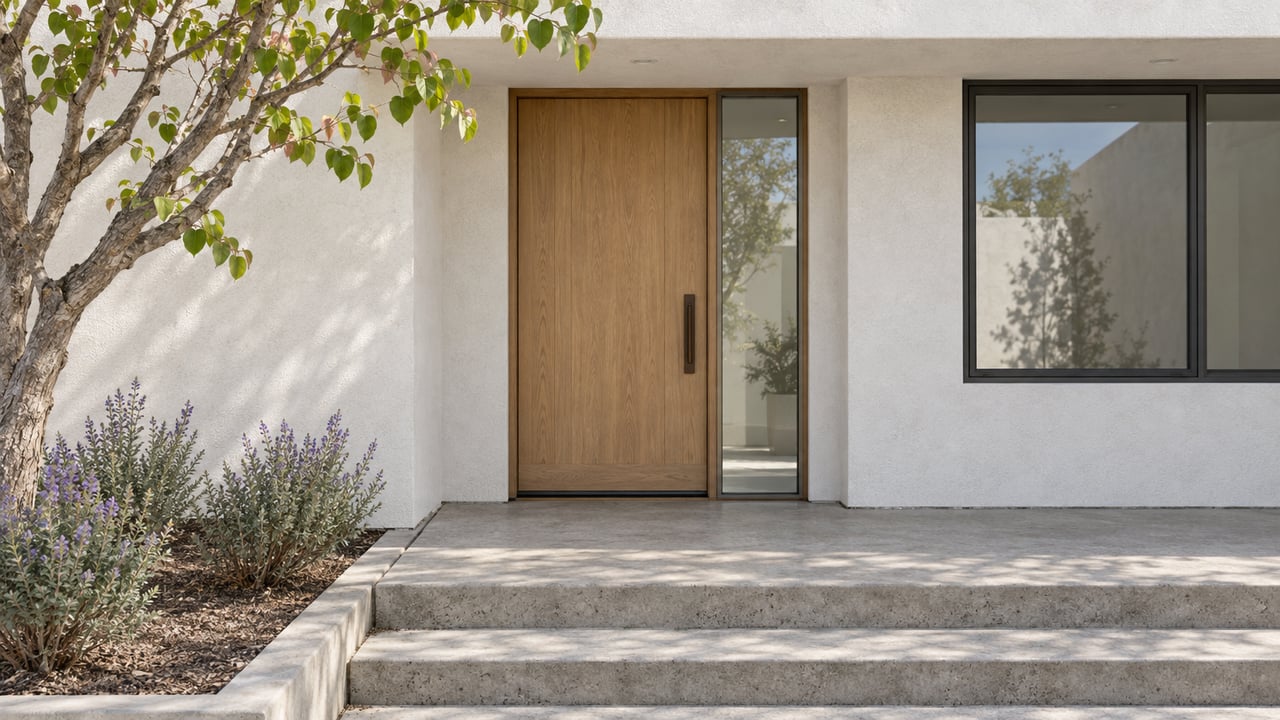
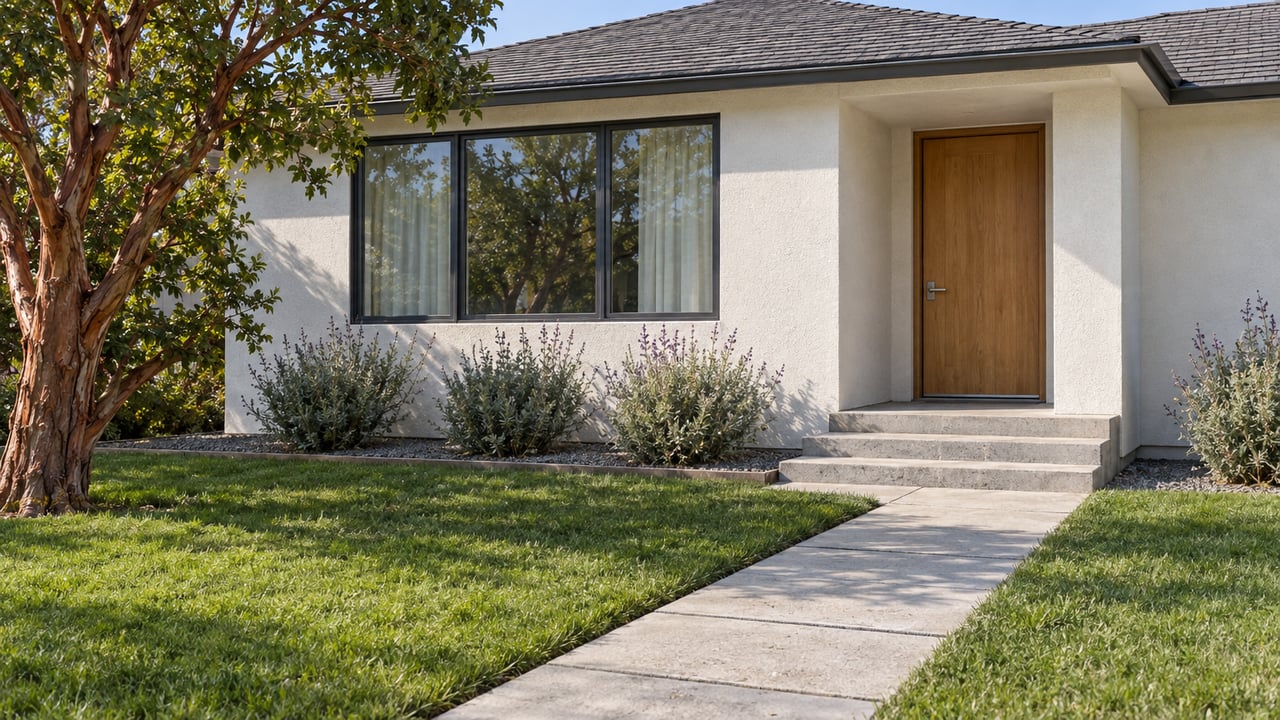
A thoughtful arrival sequence can make an immediate difference. A setback entry, enclosed courtyard, mature landscaping, or side-facing front door can create a sense of calm before anyone steps inside. Within the home, privacy often comes down to layout. Buyers may appreciate a primary suite that feels removed from secondary bedrooms, a home office that can be closed off during calls, or guest quarters that offer genuine independence. Outdoor spaces are being evaluated the same way. A beautiful patio is more compelling when it feels sheltered enough for an unhurried breakfast, an evening conversation, or a quiet swim without the sense of being on display.
The goal is not isolation. It is control over when a home feels connected and when it feels private.
Flexibility Without Compromise
Today’s luxury buyers often expect a home to support several versions of life at once.
A room may need to function as an office during the week, a guest room over the holidays, and a quiet retreat the rest of the year. A detached studio might serve as a creative workspace now and accommodate a family member later. An ADU can offer possibilities for guests, caregiving, independent living, or future income. The best flexible spaces do not feel temporary or improvised. They have proper doors, useful storage, good natural light, acoustic separation, and access that allows them to operate independently when needed. Buyers are also responding to floor plans that can evolve without major construction. A den that closes off easily, a secondary suite with its own entrance, or a downstairs room near a full bath can make a property useful through several stages of ownership.
Flexibility is valuable because it reduces the number of compromises a household must make later.
Time as the Ultimate Amenity
Perhaps the clearest shift in luxury is the growing value of time.
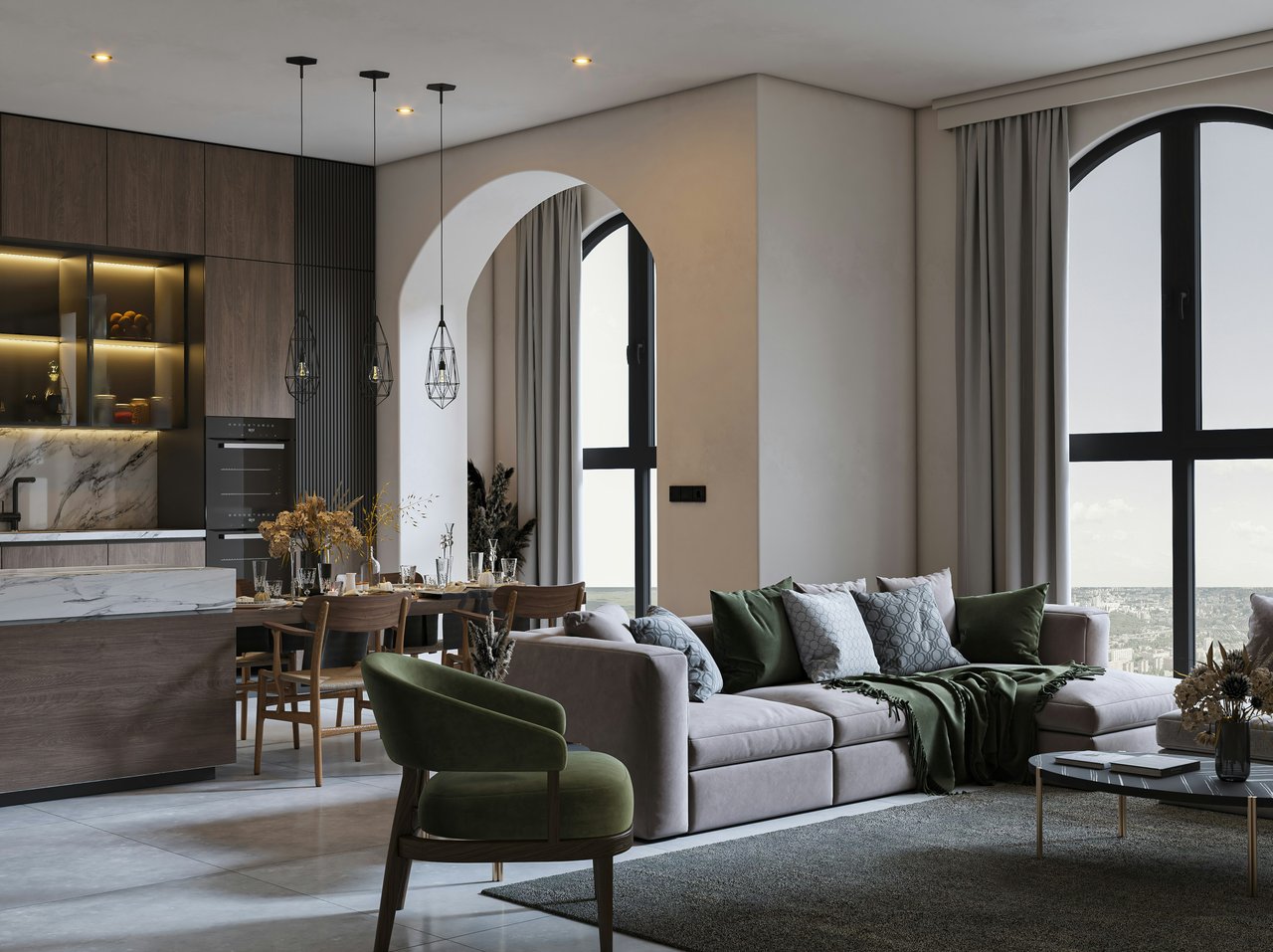
Buyers are drawn to homes that simplify their routines: a location near the places they visit most, a kitchen that works equally well for a quick weekday dinner and a larger gathering, or a mudroom that keeps the rest of the house orderly. They notice whether parking is easy, deliveries have a secure place to land, storage is where it is actually needed, and outdoor areas are ready to use rather than becoming another project. Condition matters for the same reason. Some buyers are happy to renovate, particularly when a property offers unusual architecture or long-term potential. Others place a premium on a home that already feels resolved, allowing them to move in without spending the next two years managing contractors and decisions.
Even highly visible luxuries are being reconsidered through the lens of time. A beautifully designed gym eliminates a drive across town. A serene home office reduces friction during the workday. A comfortable outdoor dining area makes an ordinary evening feel complete without requiring a reservation.
A Quieter Definition of Luxury
The strongest luxury homes still offer beauty, craftsmanship, and a sense of occasion. What has changed is the way those qualities are judged.
Buyers are asking more practical questions. Can I work here without taking over the house? Can guests stay comfortably without disrupting the household? Can the property adjust as my family, schedule, or priorities change? Does living here give me more time, or create more obligations? On the Westside, where days are full and privacy can be difficult to find, these considerations carry particular weight. The new luxury is not simply having more. It is having a home that asks less of you: less coordination, less exposure, less wasted space, and fewer compromises.
When privacy, flexibility, and ease are built into the architecture, a home does more than make an impression. It improves the rhythm of everyday life.