If you are thinking about selling in Venice, it is easy to assume the market will do all the heavy lifting for you. Venice still commands a clear premium within Los Angeles, but today’s buyers are more selective, more payment-conscious, and quicker to push back on pricing that feels off. The good news is that with the right prep, a block-by-block pricing strategy, and a smart launch plan, you can put your home in a much stronger position. Let’s dive in.
Venice pricing starts with micro-location
Venice is not one uniform market. A canal cottage, a walk-street bungalow, a beach-adjacent house, and a newer modern infill home may sit only blocks apart, yet they often compete with very different sets of comparable sales.
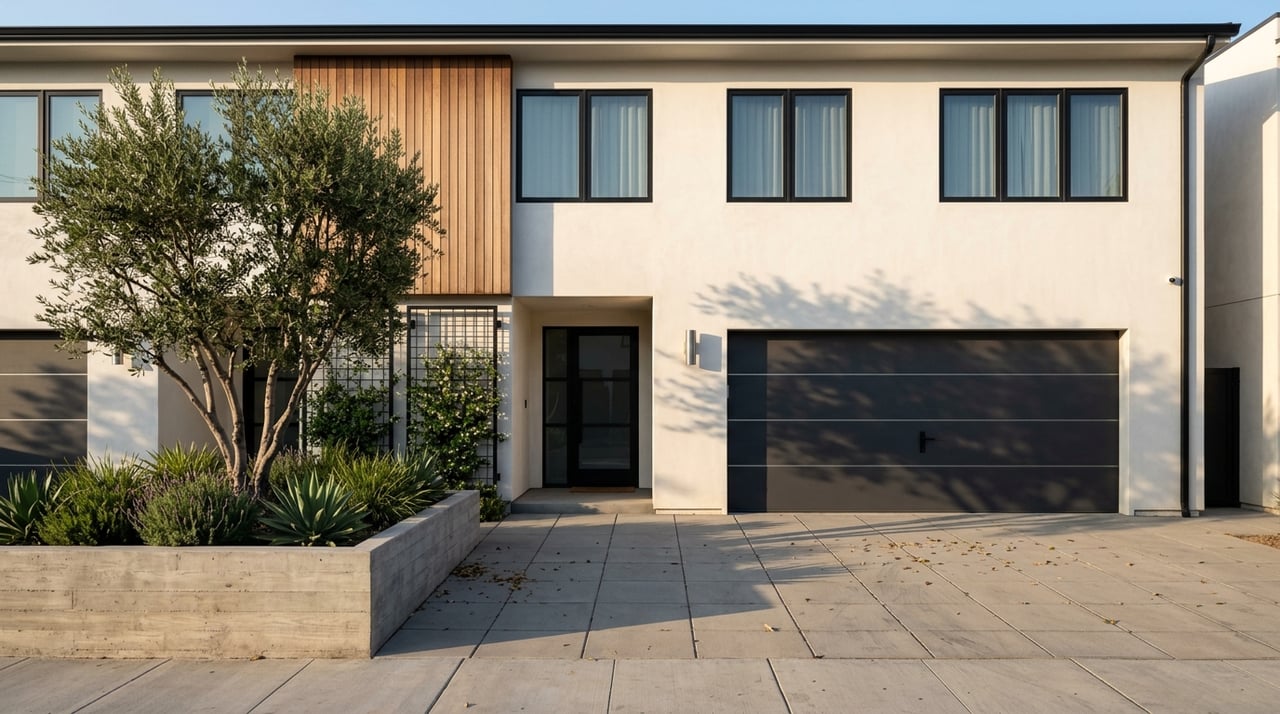
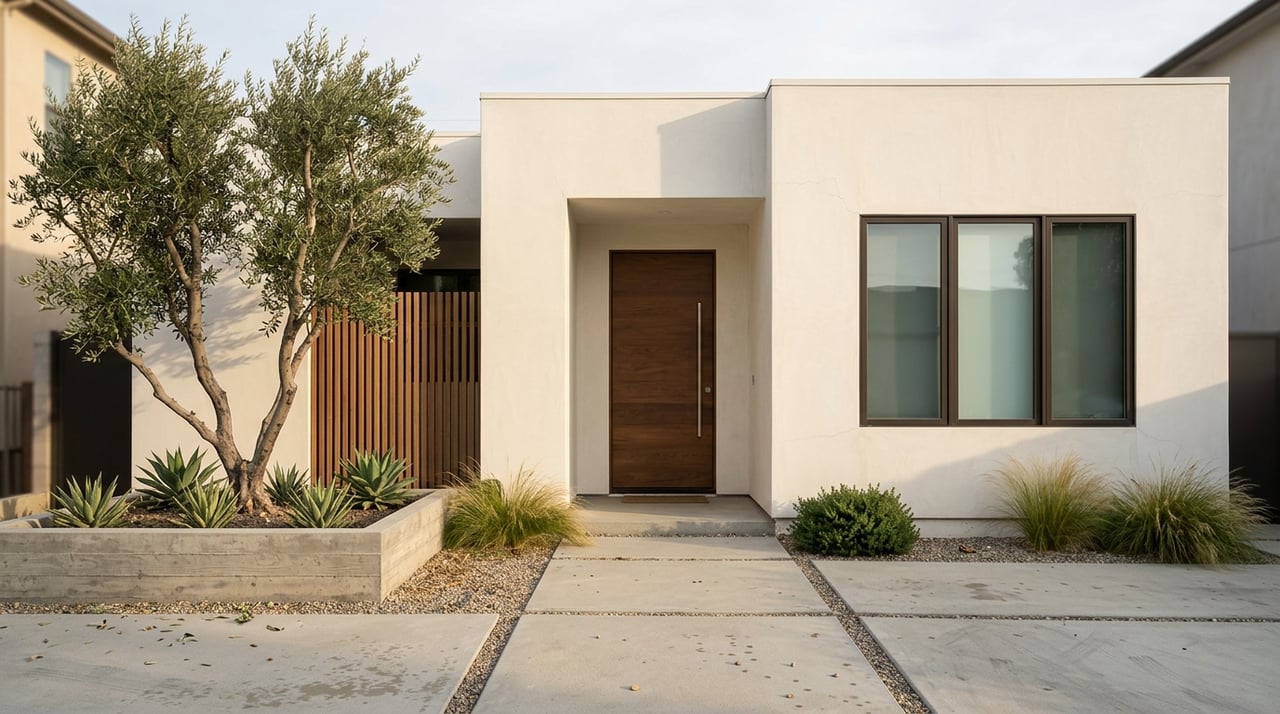
That matters because pricing too broadly can cost you momentum. Venice’s housing stock is especially varied, with early residential styles that include Queen Anne, American Foursquare, Craftsman, American Colonial Revival, vernacular cottages, bungalow courts, and later Mid-Century and modern homes. In practical terms, your buyer pool may care as much about setting, architecture, and block character as square footage alone.
Why broad comps can miss the mark
If you price your home using only nearby sales without adjusting for style and setting, you may miss what buyers are actually comparing. A buyer looking at a walk-street property may not evaluate it the same way they would a newer modern home near Abbot Kinney, even at a similar size.
This is one reason Venice sellers need sharper pricing than the address alone suggests. Your home should be benchmarked against properties that reflect its exact location, design, and use appeal.
Venice still commands a premium
Recent market data show Venice remains a high-value Westside market. Over the three months ending May 2026, Redfin reported a median sale price of $1,951,594, while Zillow showed a typical home value of $1,848,346 as of May 31, 2026 and a median sale price of $2,027,917. Realtor.com reported a median listing price and median sale price of about $2.30 million.
The exact figures vary by source and methodology, but the broader takeaway is consistent. Venice continues to trade at a meaningful premium to Los Angeles overall, where Redfin’s citywide median sale price was about $1.0 million over the same broad period.
What the market says about pricing now
Venice is active, but it is not the kind of market where any price works. Buyers still write strong offers for the right home, yet overpricing can lead to extra days on market and price cuts.
Redfin reported that homes sold after 47 days on average, 23.5% sold above list, 26.0% had price drops, and the average sale-to-list ratio was 98.1%. Zillow showed 33 days to pending, and Realtor.com reported a 50-day median time on market.
Buyers are negotiating more
Those numbers point to a market with opportunity, but also more negotiation than a peak seller cycle. Some homes still move quickly, with Redfin noting that hot homes can go pending in around 31 days, but many sellers are adjusting expectations during the listing period.
Mortgage costs are part of that story. Freddie Mac reported a 30-year fixed mortgage average of 6.52% on June 11, 2026, which helps explain why even high-end buyers can be sensitive to value.
A sharp launch matters more than ever
When about a quarter of listings are taking price drops, your first pricing decision carries weight. A strong launch can create urgency and preserve leverage, while an ambitious starting price can narrow your audience and make later reductions feel reactive.
In this market, the best strategy is usually not to chase the very highest number on paper. It is to position your home where buyers see clear value relative to similar Venice listings and recent sales.
Prep your Venice home for how buyers shop
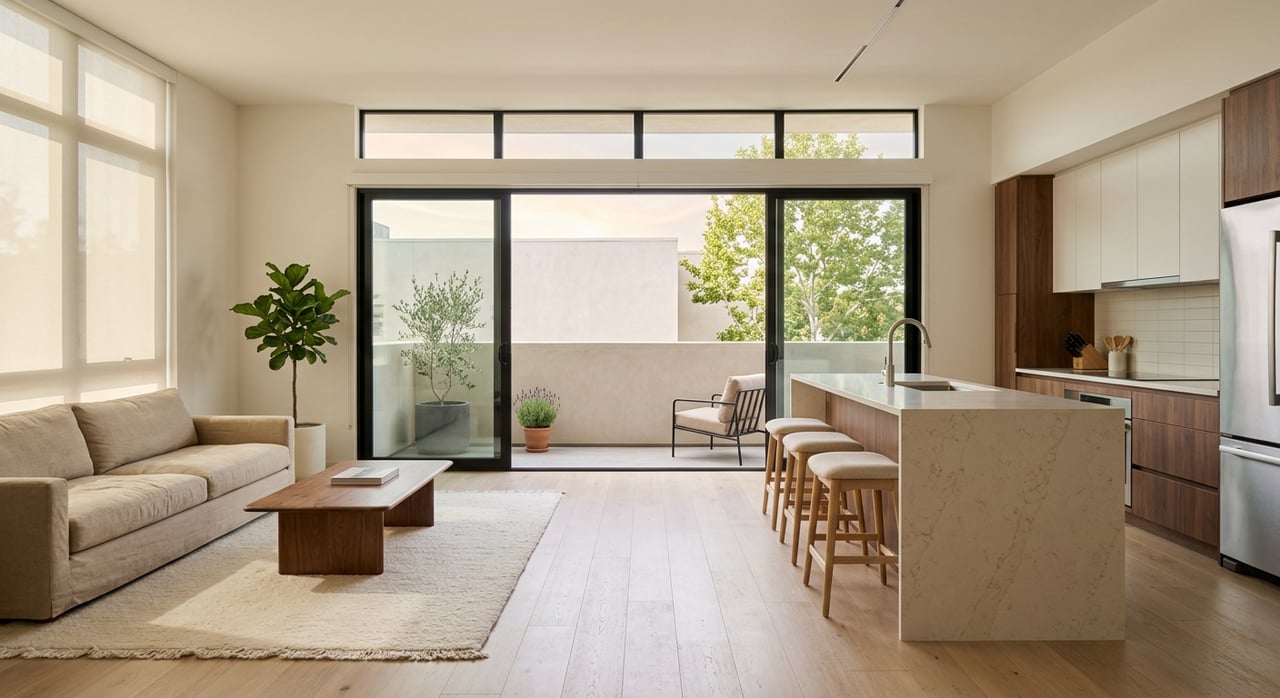
In Venice, buyers are often responding to a lifestyle as much as a floor plan. Natural light, indoor-outdoor flow, and a sense of ease can shape how a home feels both online and in person.
That is why prep should go beyond basic cleaning. You want buyers to understand how the home lives, how outdoor space functions, and how day-to-day details like storage, parking, and beach-oriented convenience fit into the property.
Stage the rooms that carry the most weight
Home staging still shows measurable value. According to the 2025 Profile of Home Staging, 83% of buyers’ agents said staging made it easier for buyers to visualize the property as a future home, and 17% said staging increased the offer by 1% to 5%.
The same report found that buyers’ agents viewed the living room, primary bedroom, and kitchen as the most important rooms to stage. Sellers’ agents most often staged the living room, primary bedroom, and dining room, and the median spend on a staging service was $1,500.
Sell the coastal lifestyle
For a Venice home, staging should help buyers connect with the setting. That can mean clearer sightlines, brighter interiors, lighter furnishings, and outdoor areas that feel intentional rather than leftover.
Patios, decks, and courtyards should show a purpose. If your home offers indoor-outdoor flow, beach access convenience, or useful parking and storage, those features should be easy to understand at a glance.
Online presentation matters first
Most buyers will meet your home online before they ever book a showing. The 2025 staging report found that photos were important to 88% of sellers’ agents, videos to 47%, and traditional physical staging to 43%.
That means your listing launch should not rely on casual photography or an unfinished look. Strong visuals, a clean presentation, and a clear story about the property can help attract better traffic from the start.
Check historic and coastal review issues early
Before you begin exterior work or major upgrades, it is smart to confirm whether special review rules may apply. In Venice, that question can affect both your timeline and your prep budget.
The Venice Local Coastal Program identifies Venice Beach, the Ballona Lagoon, the Venice Canals, and shoreline access as important coastal resources. It also notes that historic properties in the Venice Coastal Zone should be protected or restored where appropriate, and that special regulations can apply to demolition or alteration.
Some properties may need extra review
The Venice Canal System is listed as a National Register historic district and a Los Angeles Historic-Cultural Monument. In addition, the Venice Survey 2021 FAQ explains that the survey may identify properties and districts as historic resources, and contributor properties may face extra review for construction or improvements.
That does not mean every seller faces the same process. It does mean you should verify your property status before starting work on items like paint, windows, roofing, railings, or hardscape if permits or exterior changes may be involved.
Avoid last-minute surprises
A repair plan that looks simple on paper can become more complicated if a home is in a resource-sensitive or historically identified area. By checking this early, you can make better decisions about what to improve before listing and what to leave to a future buyer.
That kind of planning also helps protect your listing timeline. Instead of rushing into work that may need more review, you can build a prep strategy that supports a smoother launch.
Timing your sale in Venice
If you plan to sell within the next 6 to 18 months, starting early usually beats rushing. The current Venice market rewards preparation, especially when buyers are comparing condition, pricing, and character closely.
With homes taking roughly 33 to 50 days to go pending or sell depending on the source, and with a meaningful share of listings reducing price, your sale timeline should include more than just list date to closing. It should also include time for pricing analysis, repairs, staging, photography, disclosures, and any property-specific review questions.
Plan backward from your move
If you already know when you want to move, work backward from that date. Build in time for repairs, staging consultations, photography, and disclosure preparation so you are not making rushed decisions under pressure.
This is especially important if your sale connects to a relocation, a move-up purchase, or a downsizing transition. A clear timeline can reduce stress and help you make cleaner decisions around prep and negotiations.
Read offers by buyer type
Not all offers reflect value in the same way. In a market where some buyers are paying close to list and others are asking for reductions, investor and end-user offers often come from different logic.
Investors are more likely to focus on repair costs, carrying time, and resale margin. End-users are often more willing to pay for condition, layout, outdoor enjoyment, and architectural character.
Disclosures should be part of your prep
In California, sellers should expect to complete a Transfer Disclosure Statement. The California Department of Real Estate says this disclosure covers physical condition, hazards or defects, and special taxes or assessments.
The California Geological Survey also states that a Natural Hazard Disclosure Statement is required when a property lies within state-mapped hazard areas. These disclosure steps are not just paperwork at the end. They are part of smart sale preparation.
A practical prep sequence
For many Venice sellers, a useful sequence looks like this:
- Verify whether the home is in a historic or resource-sensitive area
- Complete any permitted repairs you decide to make
- Stage the rooms that matter most
- Launch with strong photography and pricing tailored to the property’s exact block and style
This order helps you make decisions with better information. It also supports a more confident market debut when timing and presentation matter.
If you are weighing a Venice sale, the biggest advantage is rarely guesswork. It is a strategy that matches your home’s location, architecture, condition, and timing to what buyers are actually doing right now. When that plan is handled with care and responsiveness, you give yourself a better chance to launch strong, negotiate well, and move on your schedule. If you want a tailored plan for your Venice property, connect with the Bellet / Grakal / Glick Real Estate Group.
FAQs
What is the current market like for selling a home in Venice?
- Venice remains a premium market, but recent data show more negotiation than a peak seller market, with average sale-to-list pricing around 98.1%, about 47 average days to sell by one source, and 26.0% of listings seeing price drops.
How should you price a Venice home for sale?
- You should price based on your home’s specific micro-location, architectural style, and buyer appeal, since canal cottages, walk-street homes, beach-area properties, and newer modern homes may compete against different comparable sales.
What rooms matter most when preparing a Venice home for sale?
- The living room, primary bedroom, and kitchen tend to matter most for staging, based on the 2025 Profile of Home Staging.
What should Venice sellers know about historic review before repairs?
- Some Venice properties, especially in historically identified or resource-sensitive areas, may face additional review for certain exterior changes or improvements, so it is wise to confirm status before starting work.
What disclosures are required when selling a home in California?
- California sellers should expect a Transfer Disclosure Statement covering condition, hazards or defects, and certain taxes or assessments, and a Natural Hazard Disclosure Statement is required when the property is in state-mapped hazard areas.