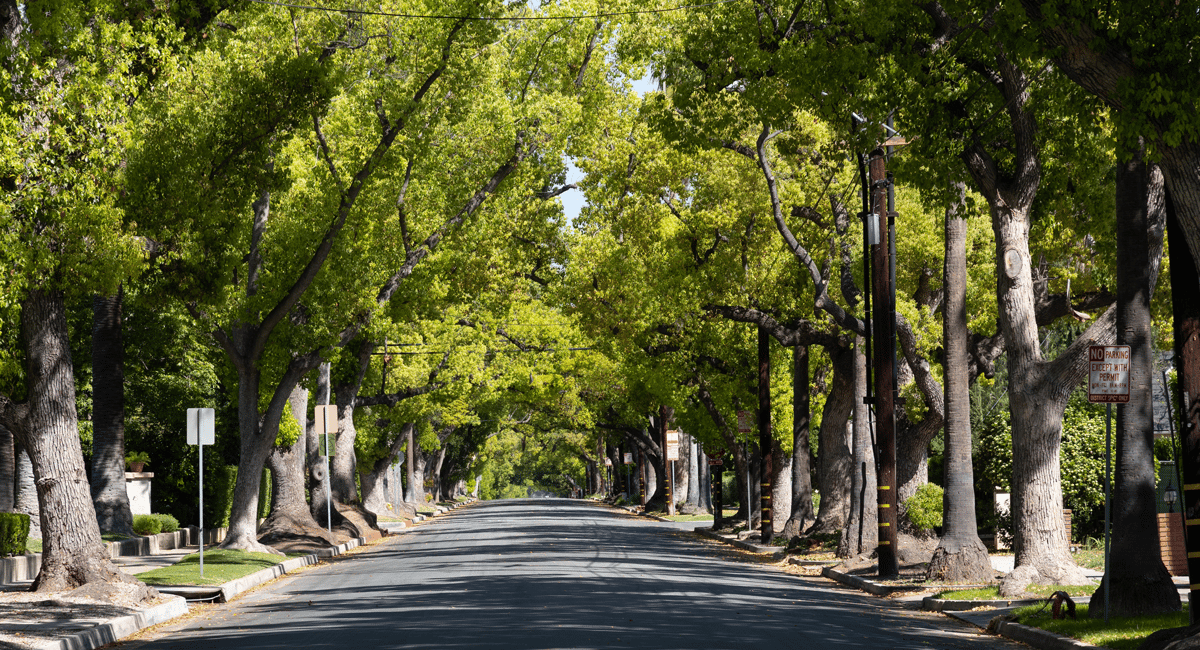
A good street tree changes the entire mood of a block.
It softens the sidewalk. It makes a walk feel shorter. It gives older homes a sense of place and newer homes a little grace. It turns a row of houses into a neighborhood.
On the Westside, where outdoor living is one of the great daily luxuries, street trees do more than decorate. They shape how a neighborhood feels, how people move through it, and how much time residents actually want to spend outside.
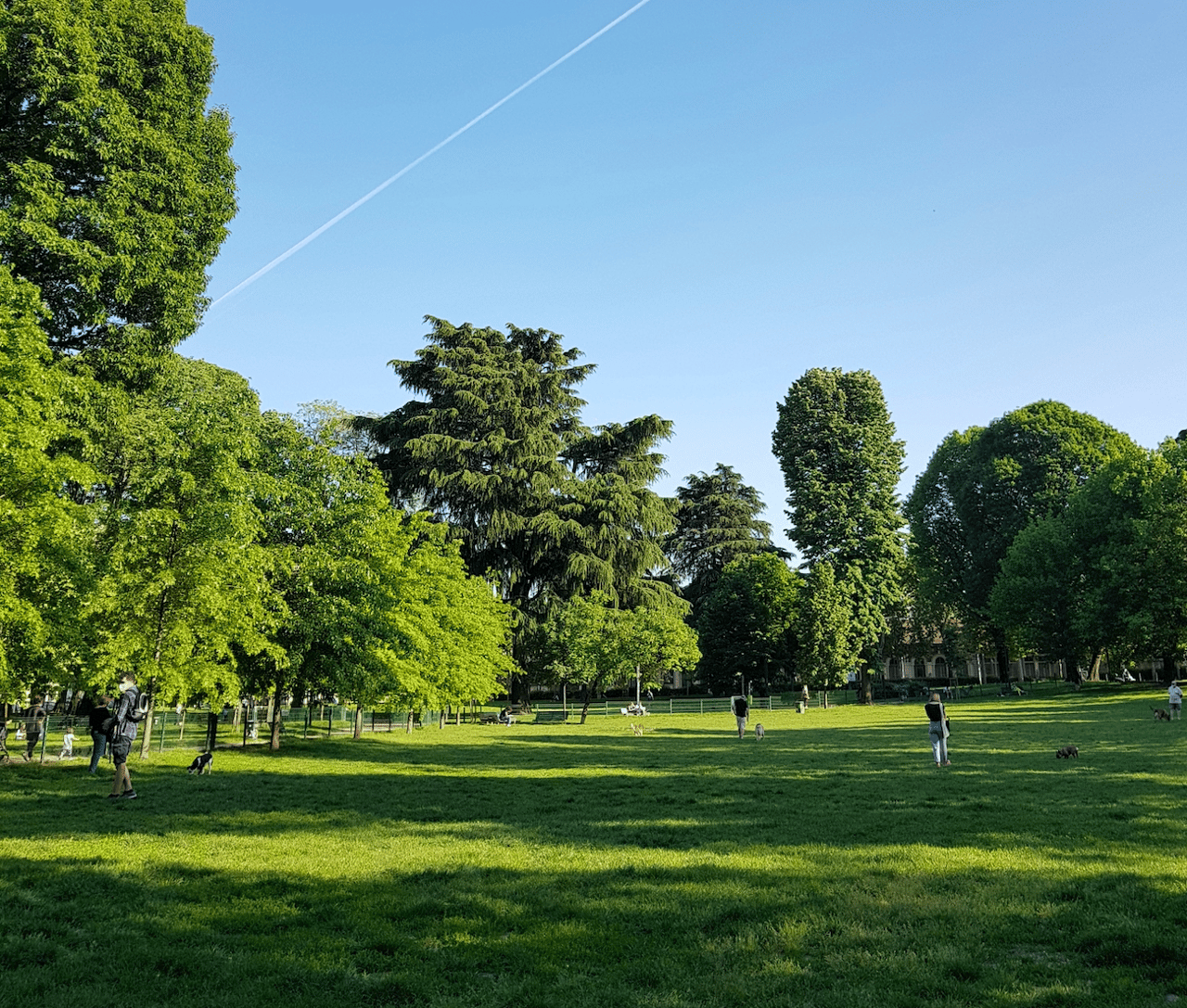
A shaded street invites a slower pace. People walk the dog a little farther. Kids linger on the sidewalk. Neighbors recognize each other. A quick errand becomes a pleasant walk instead of another trip in the car. The difference is subtle, but real: trees make a neighborhood feel lived-in.
They also make hot days more manageable. Urban trees help cool streets, reduce heat, and make walking more comfortable, which matters in a city where sunshine is both a blessing and an architectural challenge. Los Angeles supports tree planting through City Plants, a public-private partnership that coordinates free trees and planting efforts across the city.
There is also a practical real estate lesson here. Buyers often respond to tree-lined streets before they can explain why. They may say a block feels “charming,” “quiet,” or “established,” but part of what they are responding to is canopy: filtered light, softer views, privacy, and the sense that the neighborhood has had time to mature.
That matters in West LA, where beauty is often found in layers. A Spanish bungalow under jacarandas. A traditional home framed by magnolia. A courtyard building softened by olive trees. A sidewalk where the afternoon light comes through branches instead of bouncing off pavement.
Street trees also help connect private homes to the larger neighborhood. A beautiful front yard is wonderful, but a beautiful block is better. The most memorable streets usually have a rhythm: planted parkways, consistent shade, cared-for front gardens, and homes that feel connected rather than isolated.
Of course, trees require stewardship. The right tree in the right place matters. Roots, sidewalks, water needs, overhead lines, and long-term maintenance all deserve thought. In Los Angeles, the city maintains street tree inventories and permitting processes, which is a reminder that urban trees are both natural and civic infrastructure.
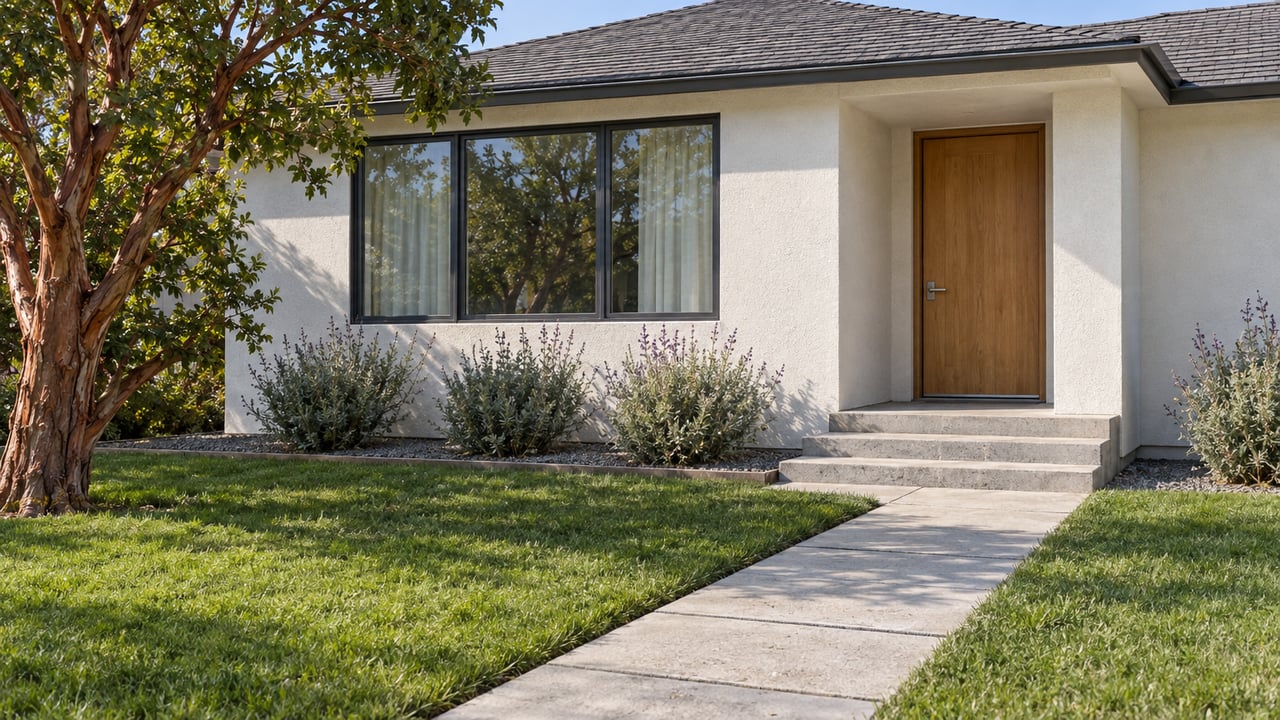
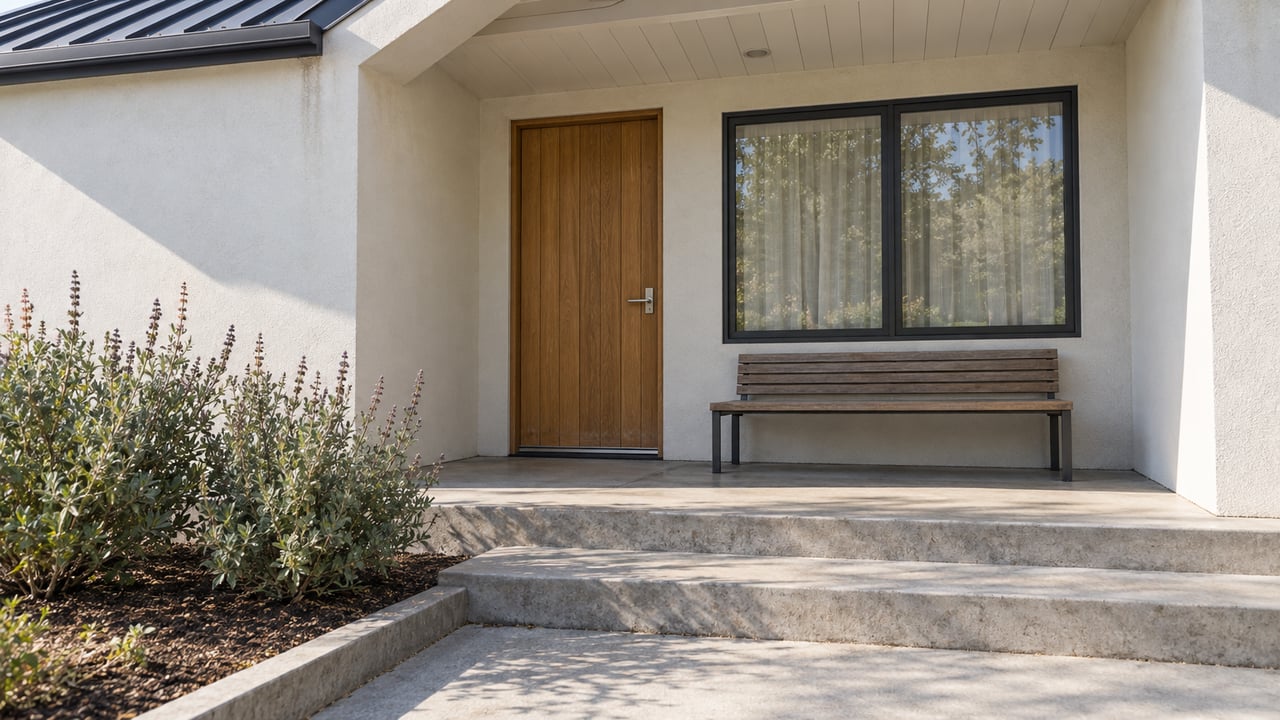
For homeowners, the takeaway is simple: do not overlook the front of the property. A healthy tree, a clean parkway, and thoughtful landscaping can change the way a home is experienced before anyone reaches the door. Curb appeal is not just paint color and lighting. It is shade, softness, and arrival.
For buyers, pay attention to the block as much as the house. Are the sidewalks pleasant? Is there shade? Do people walk? Does the street feel cared for? These details may not show up clearly in listing photos, but they shape daily life.
A tree-lined street is not loud luxury. It is quieter than that.
It is the luxury of walking somewhere because it feels good, opening a window and seeing green. It creates a neighborhood that feels settled, generous, and alive.
On the Westside, where homes are judged by light, lifestyle, and location, street trees belong in the conversation.
Sometimes the most important part of a home is growing just outside it.