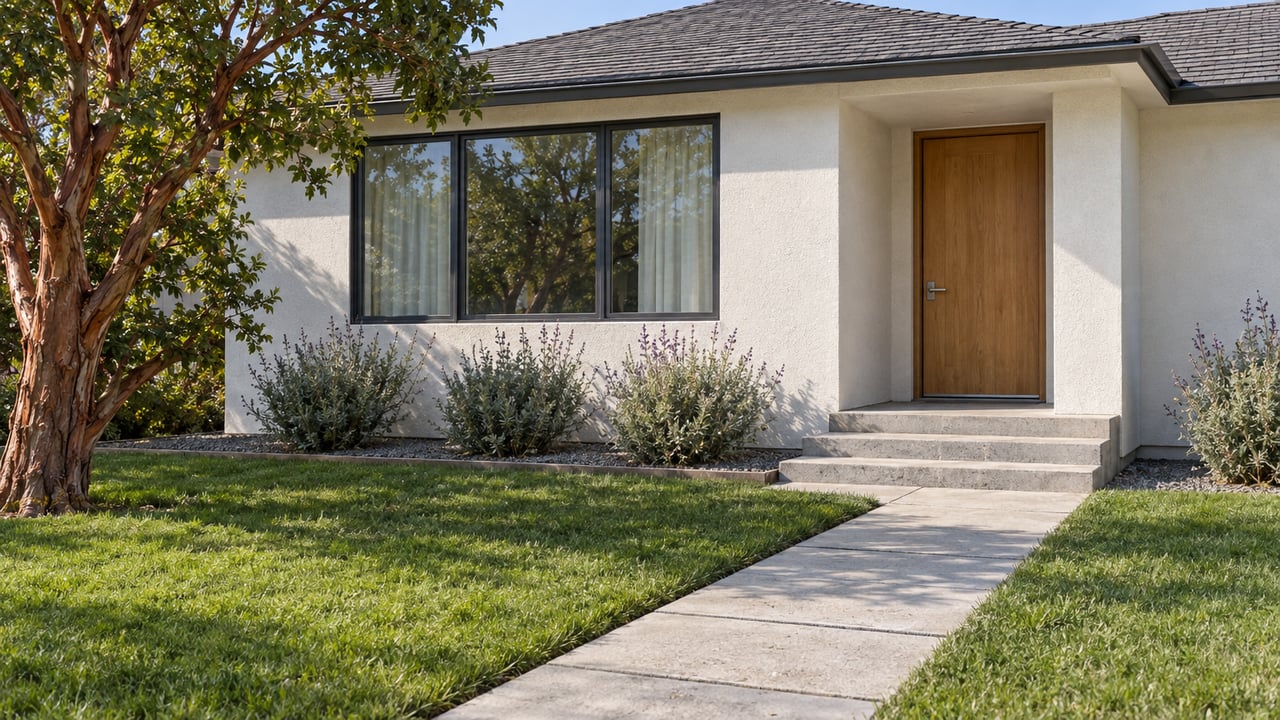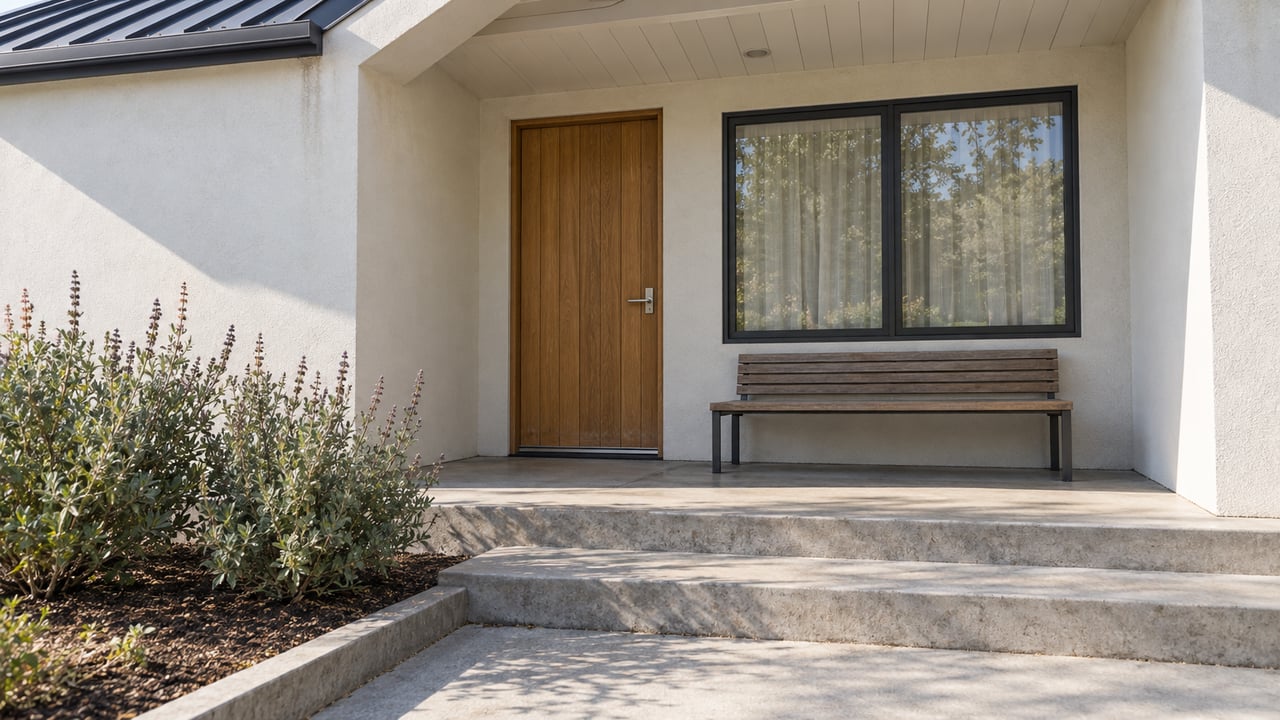
At some point, many Westside homeowners face the same question: should we improve the home we have, or move into one that fits us better? A house may be in the right neighborhood but no longer support the way the household lives. The kitchen may feel cramped, the floor plan may lack privacy, or the home may need more bedrooms, better storage, or a stronger connection to the outdoors.
The decision is rarely about cost alone. Renovating and moving both require money, time, and tolerance for disruption. The more useful question is which path is most likely to solve the real problem.
The first step is identifying what is no longer working. Cosmetic concerns such as dated finishes, poor lighting, and inefficient storage may be relatively straightforward to address. More fundamental issues, including limited parking, a difficult lot, excessive stairs, inadequate square footage, or an inconvenient location, may be harder to change. Renovation tends to make the most sense when the home already has strong fundamentals and the proposed work can genuinely improve how it lives.
Homeowners should also consider what cannot be renovated. Interior walls can move, kitchens can expand, and windows can be replaced, but the street, lot orientation, neighborhood, and surrounding environment are largely fixed. A quiet location, mature landscaping, walkability, privacy, and proximity to daily destinations may be difficult to replace. If those qualities are the reason the home still feels valuable, renovating may deserve serious consideration. If the setting itself is the source of frustration, moving may be the more practical answer.
It also helps to evaluate the finished result rather than becoming absorbed in the project. A major renovation may create a more beautiful and functional home, but it may not eliminate every compromise. Before proceeding, homeowners should understand what the revised layout will accomplish, which limitations will remain, and whether the final property will truly meet their long-term needs.
The same discipline applies to moving. A replacement home may offer more space, newer systems, or a more modern floor plan, but it may involve a longer commute, less privacy, or a neighborhood that feels less connected to everyday life. Both options should be judged by the quality of the life they create, not only by their initial appeal.
Renovation fatigue is another important factor. Significant projects can involve design decisions, permits, shifting schedules, temporary housing, construction noise, and unexpected expenses. Some owners enjoy the process, while others find that it consumes more attention than anticipated. Moving brings a different form of disruption, including preparing the current home for sale, searching, negotiating, packing, and adjusting to a new area.
The financial comparison should also be broad. Renovation costs may include design fees, permits, construction, temporary housing, financing, and contingency reserves. Moving may involve repairs before listing, transaction costs, moving expenses, property-tax considerations, and a higher purchase price. Not every renovation needs to be justified by resale, but homeowners should understand which improvements are likely to support market appeal and which are primarily for personal enjoyment.
Timing often provides the clearest answer. A household planning to remain for many years may be better positioned to benefit from a substantial renovation. An owner expecting to relocate, downsize, or need a different type of home soon may be less likely to justify the disruption.
The best decision usually comes from evaluating three things honestly: what can be changed, what cannot, and how long the next version of home needs to serve you. Renovation asks whether the house you already value can become the home you need. Moving asks whether a better fit already exists elsewhere.
All information is deemed reliable but not guaranteed and should be independently reviewed and verified. Homeowners should consult appropriate real estate, tax, legal, lending, design, and construction professionals before making significant decisions.