Wondering what it’s really like to live near the Venice Canals? You are not alone. For many buyers, Venice stands out because it blends a quiet residential pocket with easy access to one of Los Angeles’ most active beach environments. If you are weighing a move, comparing Westside neighborhoods, or trying to picture daily life near the water, this guide will help you understand the housing, rhythm, and practical tradeoffs of living near the canals. Let’s dive in.
What living near the Venice Canals feels like
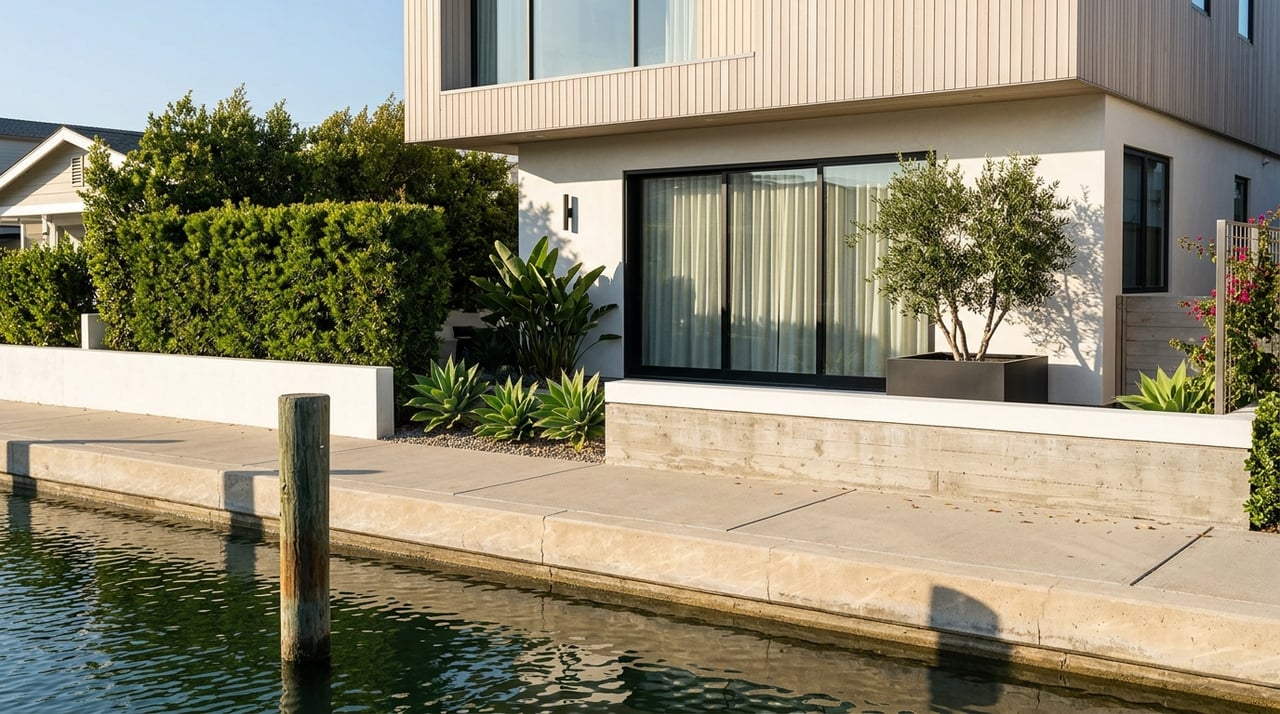
Living near the Venice Canals means stepping into a part of Venice that feels distinct from the boardwalk a few blocks away. The canal district is a six-canal residential area about 1.5 miles long and 50 feet wide, laid out in a grid with nine pedestrian footbridges and just one vehicular entrance. That layout helps create a calmer, more neighborhood-focused setting than the busier beach edge.
At the same time, you are still close to the energy that makes Venice famous. Venice Beach includes nearly 3 miles of coastline and 238 acres of beach, with Ocean Front Walk, Muscle Beach, tennis courts, volleyball courts, bike paths, and broad sandy shoreline. In practical terms, that means your day can shift quickly from peaceful canal walks to beach activity, dining, or people-watching.
This contrast is a big part of Venice’s appeal. You can enjoy a residential environment that feels tucked away, while still having access to one of the most active coastal areas in Los Angeles.
Everyday life in Venice
Daily life near the canals often revolves around movement and convenience. Venice has a Walk Score of 83 and a Bike Score of 88, which means many errands and outings can happen without getting in your car. That matters in a neighborhood where walking to coffee, biking to the beach, or heading out for dinner can be part of your regular routine.
The broader Los Angeles area’s Mediterranean climate also shapes daily life. With mild winters and very little summer rain, outdoor habits tend to stick year-round. Patios, bike rides, beach walks, and open-air dining are not just weekend activities here. They often become part of your normal schedule.
If you like variety, Venice offers it in a compact area. One moment you are crossing a footbridge in a quiet residential pocket, and the next you are on Ocean Front Walk, where vendors, performers, and a steady boardwalk rhythm create a very different atmosphere.
Beach access and recreation
Living near the canals puts you close to a long list of outdoor options. County information for Venice Beach notes access to biking, fishing, surfing, swimming, volleyball, and windsurfing, plus restrooms, showers, restaurants, and lifeguards during daylight hours. For buyers who want an active coastal lifestyle, that kind of access can be a major draw.
The bike trail is especially useful for everyday living. It adds a practical transportation option, not just a recreational one. If you enjoy getting around on two wheels, Venice makes that easier than many other Los Angeles neighborhoods.
Abbot Kinney and local routine
Abbot Kinney Boulevard is one of Venice’s main lifestyle corridors. It is known for boutiques, art galleries, restaurants, and nightlife, and it gives the neighborhood a strong local gathering place beyond the beach itself. For residents, this often means having a reliable nearby spot for dining, meeting friends, or browsing shops without leaving the neighborhood.
In summer weekends and holidays, the county Beach Shuttle links Venice Beach with Marina del Rey and Playa Vista. That seasonal service adds another layer of convenience for getting around the coast.
Venice housing near the canals
The housing story near the Venice Canals is one of variety. Venice did not develop as a one-style neighborhood, and that layered history still shows up in the homes you see today. For buyers, this means the search can feel more interesting, but it also requires a careful eye.
SurveyLA found that early Venice residential development included Craftsman and vernacular cottage styles, followed by Period Revival homes in the 1920s. The neighborhood also includes bungalow courts, walk-street houses, garden apartment communities, and later modern and postmodern residences. That mix gives Venice a visual identity that feels less uniform than many nearby coastal areas.
Historic character you can still see
If you are drawn to older homes, Venice offers several housing forms that help define its identity. SurveyLA identified about 15 intact bungalow court examples in Venice, including Craftsman, American Colonial Revival, Spanish Colonial Revival, Tudor Revival, French Norman Revival, and Streamline Moderne styles. These forms are part of what gives the neighborhood its layered, lived-in feel.
Venice walk streets are another distinctive feature. On these streets, homes face narrow concrete pedestrian paths rather than standard front-drive suburban streets. That creates a different sense of arrival and a more pedestrian-oriented residential pattern.
The Venice Canal Historic District adds another layer of significance. It is listed on the City of Los Angeles Historic Places Register and the National Register of Historic Places, which speaks to the area’s historic importance and character.
Modern homes and updated properties
Venice is not only about older cottages and historic details. The local housing stock also includes significant examples of Shingle, Prairie, Streamline, Late Modern, and Post Modern architecture, along with later single-family homes and additions. In other words, buyers can find properties that range from classic and compact to more contemporary and design-forward.
This is one reason Venice appeals to such a broad group of buyers. Some are looking for original character and walk-street charm, while others want modern lines, updated interiors, or a more recently built home close to the coast.
What buyers should think about
Near the canals, housing decisions are often about more than square footage and finishes. Planning rules, historic context, and coastal conditions can all matter. Buyers who understand these factors early are usually better prepared to evaluate both opportunity and long-term fit.
The Venice Coastal Zone Specific Plan includes ordinances, height maps, zoning maps, buffer and setback maps, and walkstreets maps. That means a property’s exact location can affect what is possible for remodeling, expansion, or future use. If you are buying with plans to update a home, those details deserve attention up front.
The Venice Local Coastal Program also includes a Venice-specific sea-level-rise vulnerability assessment and notes that the beach area and canal system are particularly vulnerable. For buyers and sellers, this is an important reminder that coastal ownership comes with planning considerations that may shape renovation goals, property review, and resale strategy.
Why micro-location matters
In Venice, a few blocks can change the feel of daily life. A home near the canals may feel more residential and insulated from the intensity of Ocean Front Walk, while still keeping beach access close by. That difference is one reason micro-location matters so much here.
It also affects how you experience noise, foot traffic, and access. A buyer who wants a more tucked-away residential feel may focus on canal-adjacent or walk-street locations, while a buyer who wants quick beach energy may prefer to be closer to the shorefront activity.
Venice compared with nearby coastal areas
If you are considering Venice, you may also be weighing Santa Monica or Marina del Rey. All three offer coastal access, but the day-to-day experience is different.
Venice vs. Santa Monica
Santa Monica is often more retail-organized in feel. Official neighborhood guides describe Downtown Santa Monica as centered on Third Street Promenade and Santa Monica Place, with a high concentration of shops, restaurants, and hotels. Main Street is described as laid-back and artsy, while Montana Avenue is a tree-lined shopping corridor.
By comparison, Venice feels more eclectic and more residentially layered. Instead of a single polished center, you get a mix of canals, walk streets, beach activity, and local commercial corridors like Abbot Kinney. If you want a neighborhood that feels less uniform and more varied block to block, Venice may stand out.
Venice vs. Marina del Rey
Marina del Rey is more harbor-oriented. County sources note more than 4,600 boat slips in 23 marinas, and the area is closely tied to boating infrastructure. Venice, on the other hand, leans more toward street life, beach culture, and historic residential character.
The walkability difference also matters. Walk Score gives Marina del Rey a 68, below Venice’s 83. If being able to walk or bike through more of your routine matters to you, Venice may offer a better fit.
Is living near the canals right for you?
Living near the Venice Canals can make sense if you want a coastal neighborhood with both character and movement. You get a quieter residential pocket, strong walkability and bike access, beach amenities nearby, and a housing stock that feels distinctly Venice. You also need to be comfortable with the realities of a coastal, historic, and highly specific neighborhood where planning context can matter.
For many buyers, that balance is exactly the appeal. Venice offers a lived-in Westside experience that feels creative, layered, and close to the water without reading like a standard beach district. If you want help sorting through canal-adjacent homes, walk-street opportunities, updated properties, or private inventory across the Westside, Bellet/Grakal/Glick Real Estate Group can guide you with responsive, concierge-level support.
FAQs
Can you live near the Venice Canals without a car?
- Often, yes for many daily tasks. Venice has a Walk Score of 83, a Bike Score of 88, and beach-area access that supports walking, biking, and seasonal shuttle use.
What does daily life near the Venice Canals feel like?
- It often feels calmer and more residential than the blocks closest to Ocean Front Walk because the canal district has footbridges, a grid layout, and only one vehicular entrance.
What kinds of homes are common near the Venice Canals?
- Venice includes Craftsman cottages, vernacular bungalows, bungalow courts, walk-street homes, garden apartments, and later modern or postmodern residential properties.
What should Venice buyers know about planning rules?
- Buyers should know that the Venice Coastal Zone Specific Plan includes zoning, height, setback, and walkstreets maps, which can affect remodels, additions, and property strategy.
How is Venice different from Marina del Rey and Santa Monica?
- Venice tends to feel more eclectic and residentially layered, Santa Monica reads as more retail-organized, and Marina del Rey is more tied to marinas and boating infrastructure.