Buying a Second Home You Can Rent Out
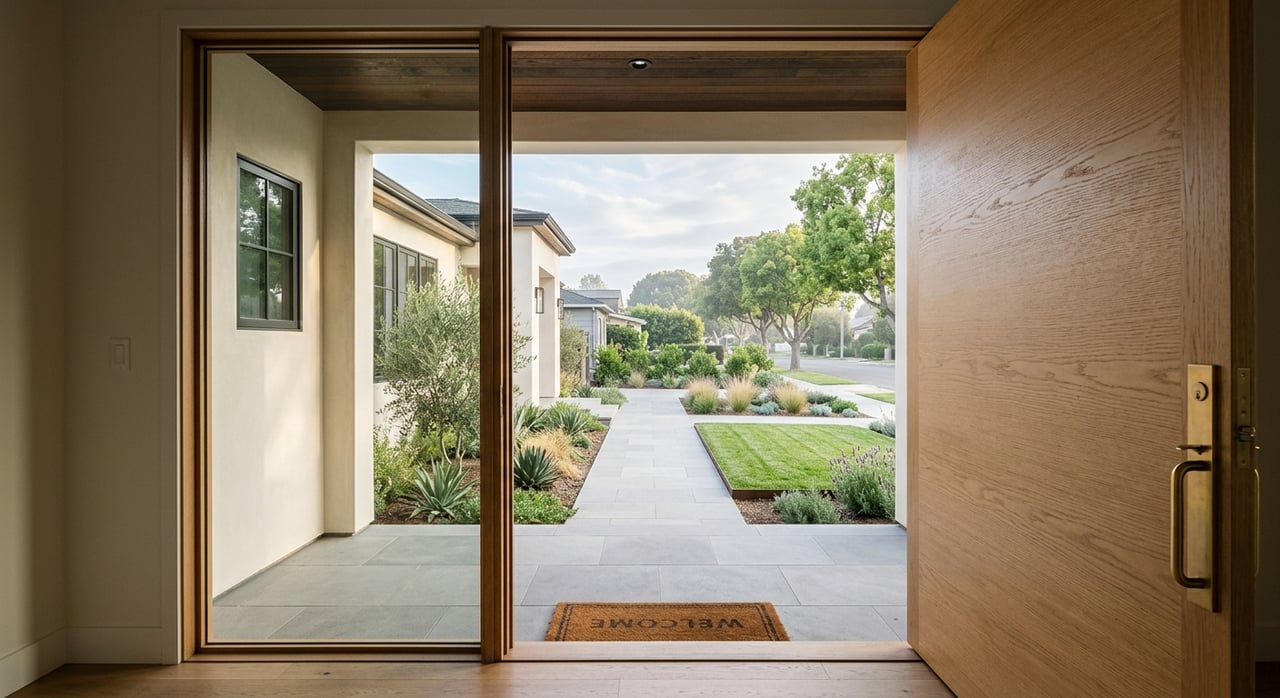
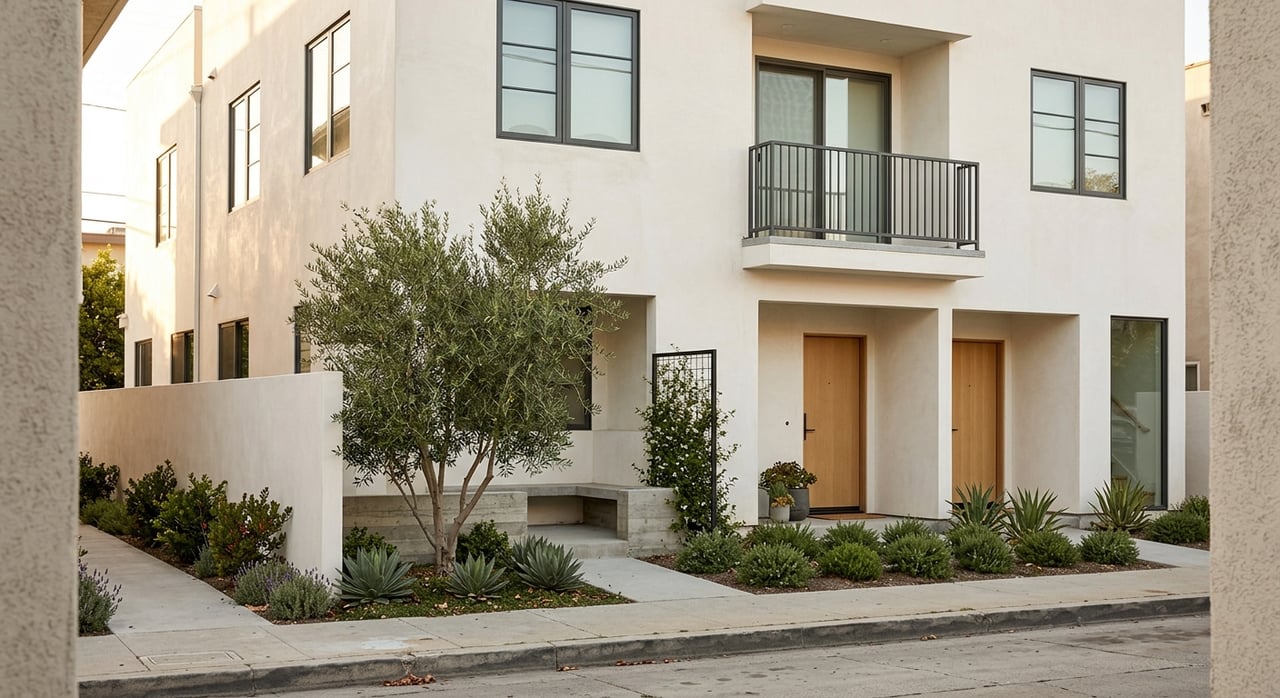
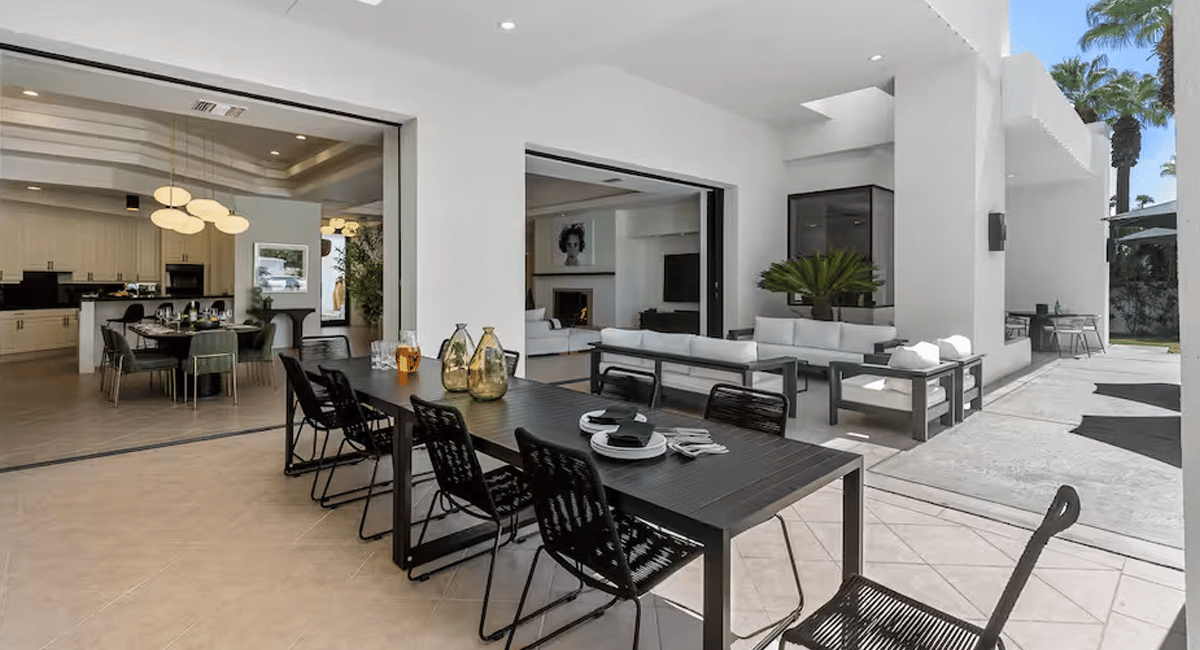
You want a place that feels like an escape the second you unlock the door. Maybe it’s a light-filled condo near the water or a tucked-away house where mornings are quiet and evenings stretch out a little longer than they do at home. But this isn’t just a getaway. It’s a property with a rhythm already in motion, guests who return year after year, a manager who keeps everything running without drama, and even an ADU quietly generating steady income in the background. It’s the kind of setup that blurs the line between lifestyle and investment in a way that feels almost suspiciously efficient.
The appeal is obvious. You get a place to use when you want it, and when you’re not there, it works for you. With an established short-term rental history, strong management, and an additional long-term rental unit, you’re not starting from scratch. You’re stepping into something that already functions.
The Advantages
Built-in demand
Recurring guests are gold. They reduce marketing effort, smooth out income, and signal that the property delivers a consistently good experience.
Professional management
A reliable property manager turns this from a constant obligation into something far more manageable. They handle bookings, guest communication, cleaning, and issues before they escalate into something that ruins your weekend.
Income diversification with the ADU
The ADU adds stability. While short-term rental income can fluctuate, a long-term tenant provides consistent cash flow and helps offset slower booking periods.
Lifestyle with partial cost offset
You’re not just buying an asset. You’re buying access. The difference here is that the cost of that access is partially subsidized by renters.
The Pitfalls
Regulatory risk
Short-term rental rules can change quickly, especially in high-demand markets. Restrictions, permits, or caps can impact your ability to rent the property as planned.
It’s not passive
Even with management, ownership comes with responsibility. Repairs, decisions, and occasional problems still land on you.
Seasonality and income swings
Not every month performs the same. Peak seasons carry the year, and slower periods require financial cushion and realistic expectations.
Ongoing wear and tear
Frequent turnover means more maintenance. Furniture, appliances, and finishes age faster in a short-term rental environment.
Financing and insurance complexity
Lenders and insurers often treat these properties differently, which can mean higher costs and more restrictions.
The Bottom Line
This kind of property works best when it’s treated as both a personal retreat and a structured investment. With existing income streams, strong management, and repeat guests, you’re already ahead of most buyers.
Just don’t confuse “working asset” with “effortless income.” One of those is real. The other is how people end up surprised when their relaxing getaway starts emailing them about a broken dishwasher.