The inspector is on the roof when he calls down that he wants to run the sewer scope before you sign off on anything else. It's a Tuesday morning on a quiet street west of La Cienega, the kind of block where jacaranda roots have had ninety years to find whatever they were going to find. The camera goes down the vent stack, and twelve feet in, the picture changes from clean pipe wall to a lattice of fine white roots pushing through a hairline crack. Nobody is surprised. The house was built in the late 1930s. What would have been surprising is if the cast iron had made it this far without a mark on it.
Two blocks away, on a street that didn't exist until a Fort Worth-based builder cleared the lot years later, the same inspector would be looking at PVC, a water heater and HVAC system nearing the end of their normal service life, and a roof due for replacement on a routine schedule rather than an emergency one. Same neighborhood name on the listing. Completely different report.
That's the fact a lot of buyers miss when they start shopping Faircrest Heights: this isn't one neighborhood built in one decade. It's a handful of distinct construction eras stacked inside about nine blocks, and the inspection findings, the repair credits you can reasonably ask for, and the systems you'll be budgeting to replace all depend on which pocket of it you're standing in.
One Small Neighborhood, More Than One Build Era
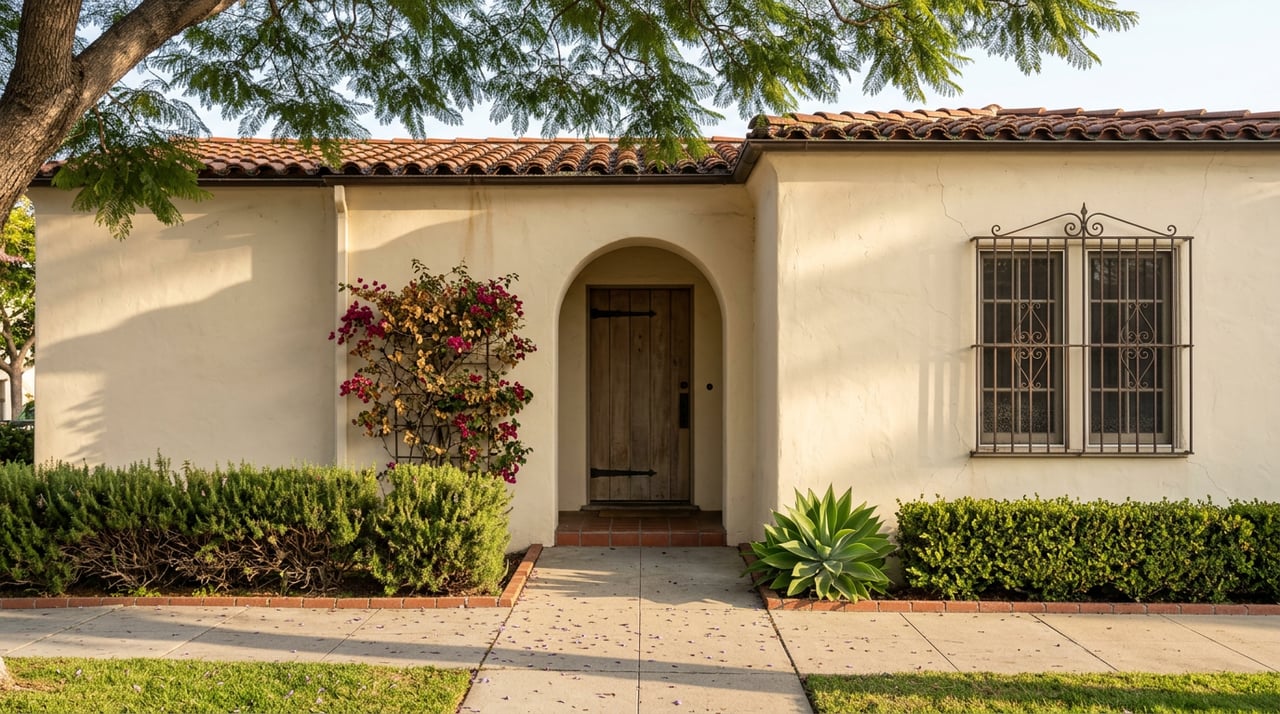
Neighbors United, the community association that's represented the area since 1981, describes Faircrest Heights as roughly 900 homes, most of them built in the late 1930s and early 1940s in Spanish Colonial Revival, English Revival, and Minimal Traditional styles. That's the story most listing agents will tell you, and for a majority of the housing stock, it's accurate.
But other sources put the earliest homes closer to 1908, and Wikipedia's account of the neighborhood dates the bulk of construction to the 1920s and 1930s rather than the 1940s. None of these sources are wrong exactly. They're describing different pockets of the same small footprint. When a neighborhood this size gets summarized in a single sentence, the sentence flattens a real range of build years into one round number, and that flattening is exactly what an inspection contingency exists to correct.
The practical version of this: don't let a listing description do your dating for you. Pull the permit history on the specific parcel before you write an offer. A five-minute records check tells you more than a paragraph of neighborhood copy ever will.
What the Pre-War Majority Actually Fails On
For the homes that really do date to the late 1930s and early 1940s, the failure points are predictable enough that you can budget for them before the inspector even shows up.
Cast iron drain lines from that era have a typical service life of 60 to 70 years, which means a house built in 1939 is now sitting on close to 87 years of original plumbing. Root intrusion at the joints is the common failure mode, and a video scope is the only way to see it before it becomes a backed-up line on a Saturday night. Replacement runs roughly $5,000 to $15,000 depending on the length of run and how much hardscape has to come up to get at it.
Knob-and-tube wiring is the other predictable find. Most homes from this era have had the bulk of their wiring replaced over the decades, but abandoned sections often remain in the attic or under the floor, and a careful inspector will flag whatever is still active. Homes built on raised, post-and-pier foundations, standard practice before slab construction became common, often lack the seismic bracing that's now considered baseline, since bolting a house to its foundation wasn't required when these were built.
None of this is a reason to walk away from a Spanish Colonial Revival on a street like Point View. It's a reason to know, before you're three weeks into escrow, what a seller credit for a sewer line or a panel upgrade actually looks like in dollars.
| Housing pocket | Typical build era | What tends to get flagged | Rough cost to address |
|---|---|---|---|
| Majority pre-war stock | Late 1930s–early 1940s | Cast iron drain lines, knob-and-tube remnants, unbraced post-and-pier foundations | $5,000–$15,000 for sewer line sections |
| Mixed 2–4 plex pocket north of Pickford | Varies, often converted or added onto over decades | Permit gaps on unit additions, deferred maintenance from rental use | Varies by unit count and scope |
| Newer infill near Sawyer and Fairfax | Built well after the original wave of construction | Roof, water heater, and HVAC reaching normal replacement age | Standard scheduled maintenance, not emergency repair |
The Two-to-Four-Plex Pocket North of Pickford
The stretch just south of Pico, north of Pickford, has a different housing mix than the rest of the neighborhood: a blend of single-family homes and small multi-unit buildings rather than the straight single-family pattern found further south. If you're shopping in that stretch, the inspection conversation shifts from pure systems age to permit history. A duplex or fourplex that's been through multiple owners and decades of tenant turnover is more likely to carry an addition or a unit conversion that never got the paperwork closed out. That's a title and permit question as much as a physical inspection question, and it's worth raising with your agent before you're deep into a contingency period rather than after.
The Newer Pocket at Sawyer and Fairfax
The clearest exception to the "old Spanish house" assumption sits at the corner of Sawyer Street and Fairfax Avenue, where a national homebuilder cleared roughly ten acres, once the site of the old KHJ AM radio towers, and put up a subdivision of new two-story homes in a Spanish Revival style. Asking prices when the project broke ground reportedly started around $1.2 million, a number that today reads less like a premium and more like a floor for the neighborhood's current pricing.
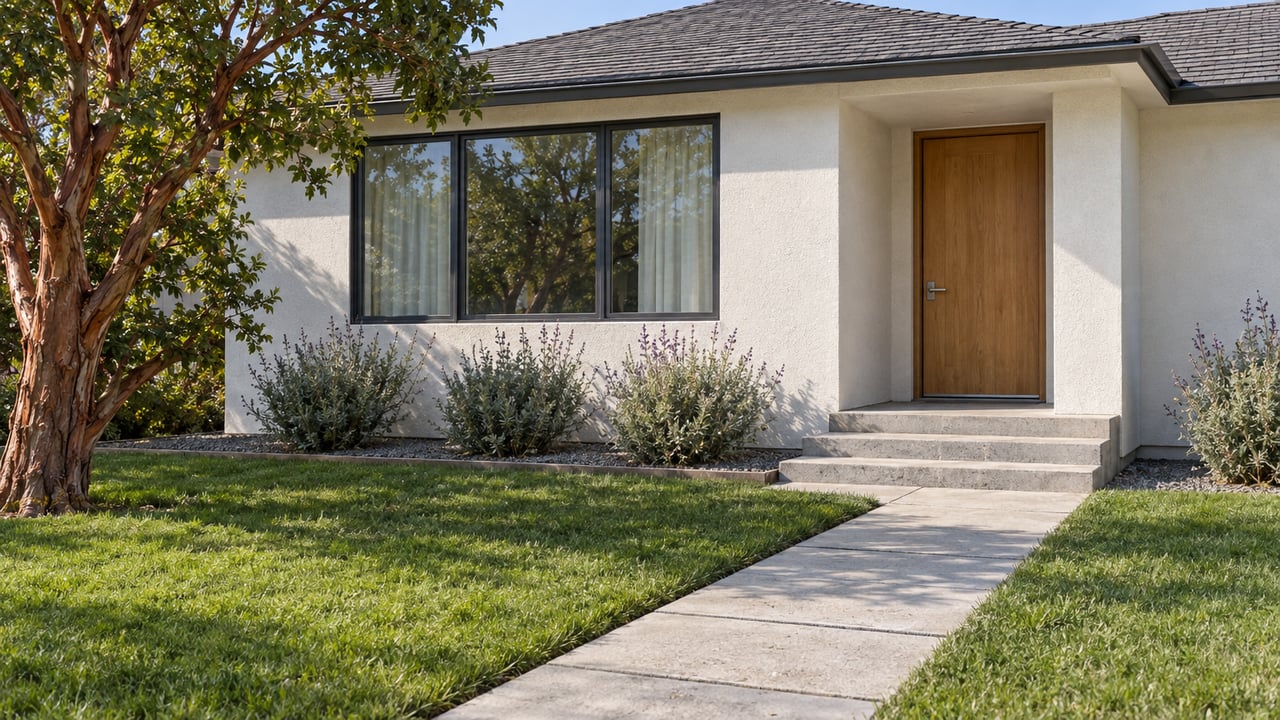
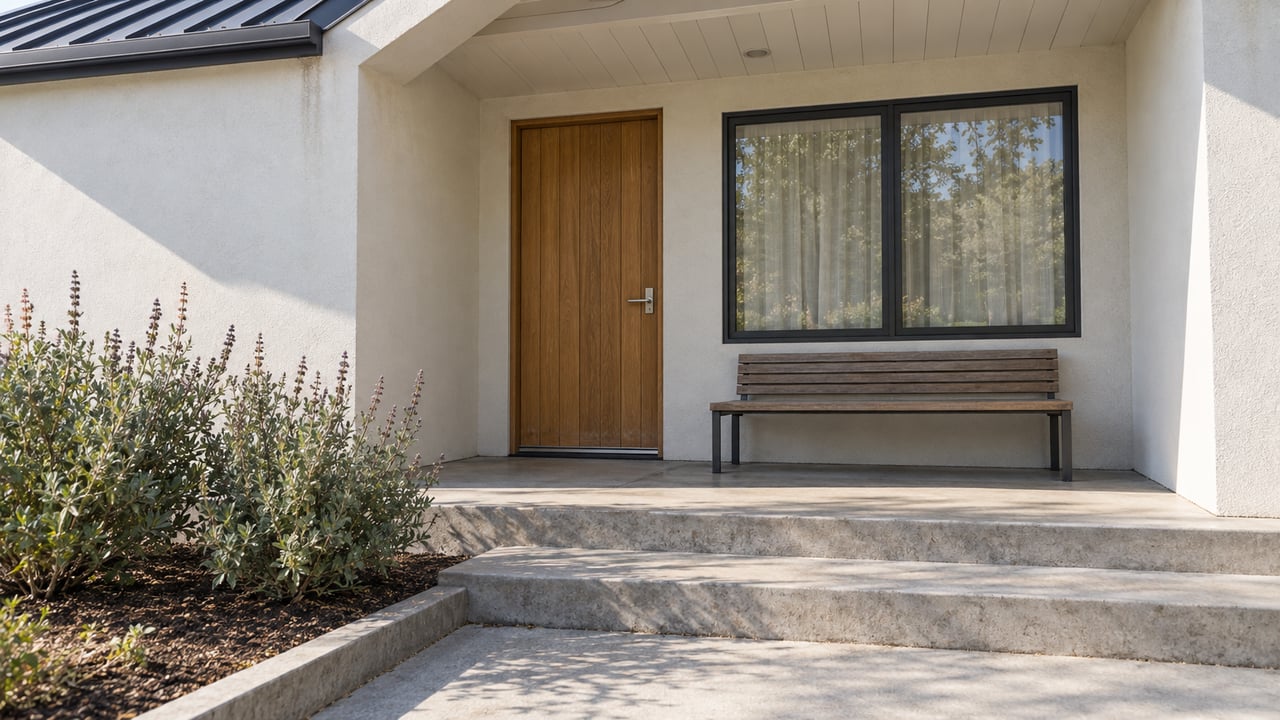
Buy a house here and the inspection looks nothing like the one two blocks over. There's no knob-and-tube to find because there's no 1930s wiring to begin with. The systems that matter are the ones that hit normal replacement age on any home of this generation: roofing, water heaters, HVAC equipment. It's a different conversation with your inspector, and it should be a different set of questions for your agent, even though the mailing address says Faircrest Heights either way.
Why the Median Price Won't Tell You What to Ask For
One more reason not to lean on neighborhood-wide numbers when you're negotiating a repair credit: Faircrest Heights is small enough that its reported median moves around more than a larger market's would. Mid-City market analysis published this June placed the combined Faircrest Heights and Victoria Park median near $1.29 million, while separate reporting from late 2024 put the Faircrest Heights median closer to $1.47 million to $1.49 million, with as few as four homes sold in a single month driving that figure.
That kind of swing isn't a sign the market cooled by hundreds of thousands of dollars. It's a sign that a neighborhood of roughly 900 homes doesn't generate enough monthly transactions for a single median to mean much. When you're deciding what a repair credit should look like on the house you actually want, the number that matters is the inspector's line-item estimate on that specific pipe or that specific panel, not a neighborhood average built on a handful of closings.
Before You Waive the Contingency
A short list worth working through with your agent before any inspection deadline:
- Pull the permit history on the parcel, not just the neighborhood's general build-era reputation.
- Ask specifically for a sewer video scope if the home predates 1950, regardless of what the listing says about updates.
- Request a four-point inspection report, the standard document covering roof, plumbing, electrical, and HVAC that most insurers require on homes over 30 years old, since it doubles as a checklist for what to negotiate.
- If you're looking at a unit in the 2–4 plex pocket, ask your title company to confirm that any additions match what's on file with the city.
- If the home sits in the newer Sawyer and Fairfax pocket, ask about original installation dates for the roof and water heater rather than assuming the systems are still "new."
A Few Questions Worth Asking Directly
Does knob-and-tube wiring mean I can't get insurance? Not automatically, but many insurers will require it be addressed before binding a policy, so it's worth raising with your lender and insurance agent as soon as an inspector flags it, not after you're locked into a closing date.
How do I find out if a specific house was part of the original Sawyer and Fairfax subdivision? Your agent or a title company can confirm this from the parcel's recorded history, which will also show the original construction date rather than relying on the general "new pocket" description.
Is a four-point inspection the same as a full home inspection? No. A general home inspection is broader, while the four-point report is a narrower document insurers ask for on older homes, specifically covering the age and condition of the roof, plumbing, electrical, and HVAC systems.
Faircrest Heights rewards a buyer who treats it as several small neighborhoods rather than one. If you're weighing a specific house here and want a second set of eyes on what its inspection findings actually mean for your offer, the team at Zack Grakal works this stretch of the Westside block by block, not just by zip code, and can walk you through what a fair repair credit looks like before you're three weeks into escrow.
This article is general information, not legal, tax or financial advice. Consult a qualified professional about your situation.