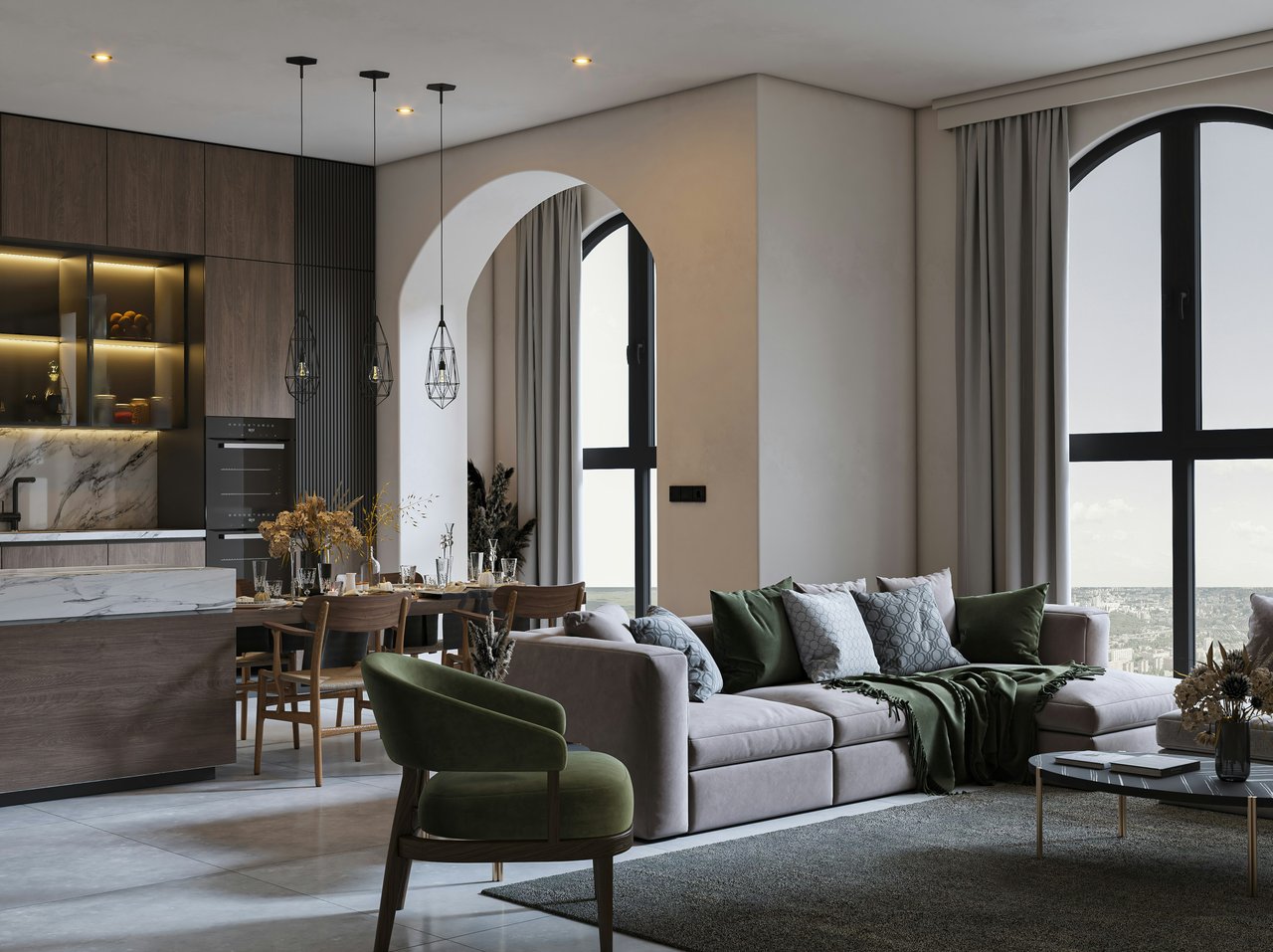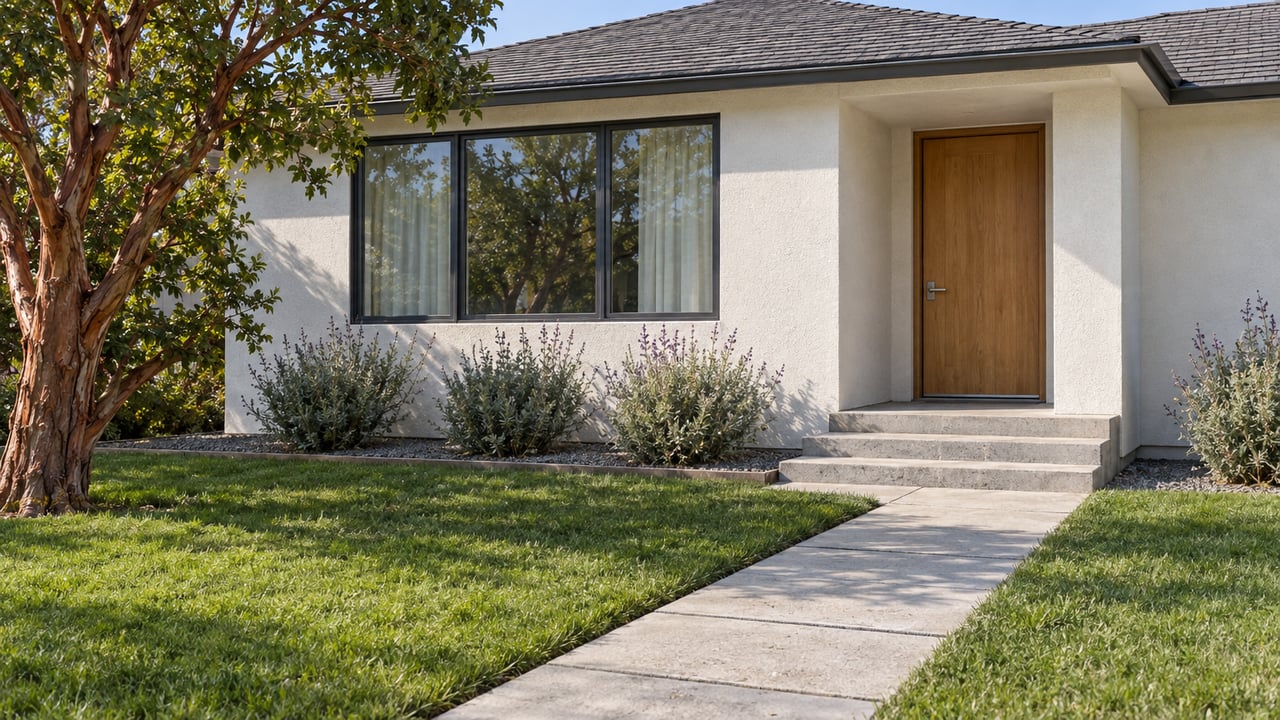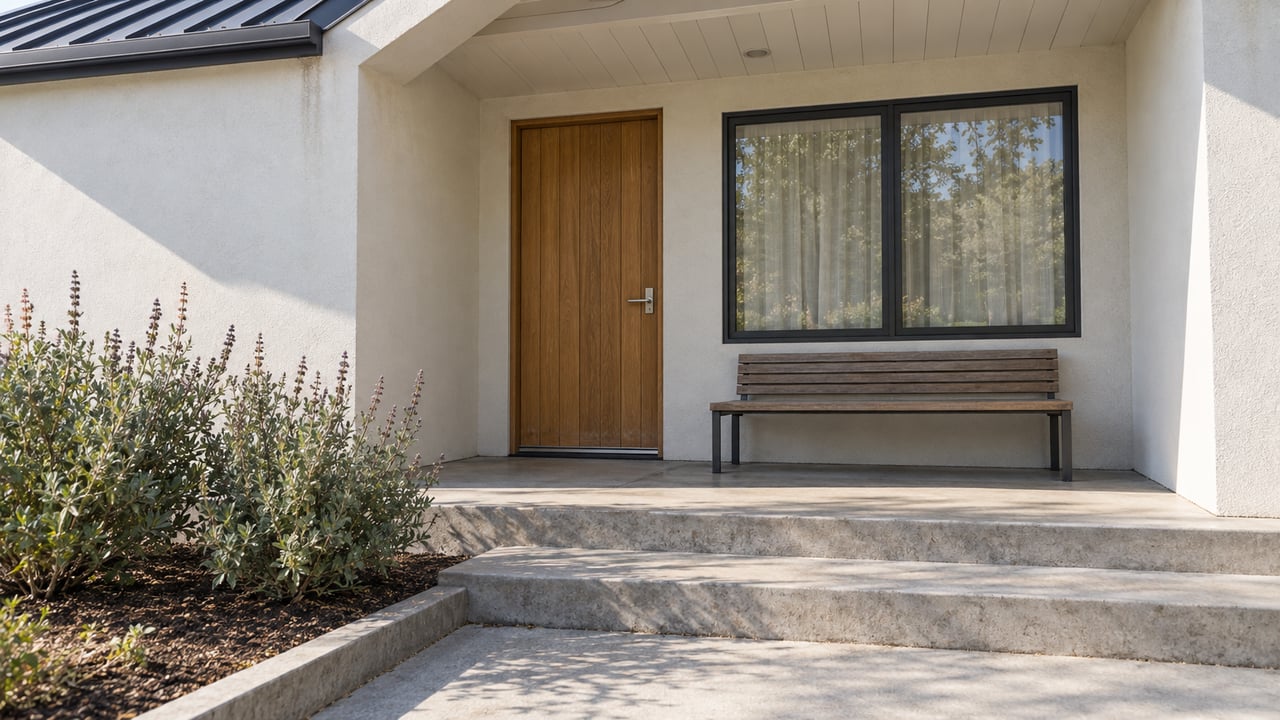
On the Westside, the most exciting “new build” isn’t always a teardown. More often, it’s a beautiful second home tucked behind the main one: an ADU that functions as a guest suite, a work sanctuary, a place for family, or a smart long-term rental.
What’s changed is not taste, it’s momentum. California has been steadily removing barriers to ADUs, and the state’s own housing agency has been updating guidance to match.
The California Department of Housing and Community Development (HCD) describes ADUs as “an innovative and effective option for adding much needed housing in California,” and notes that recent law changes (effective January 1 across multiple years) have “further reduced barriers” to building ADUs and JADUs.
Why this is so Westside right now:
West Los Angeles has a lot of smaller households and a large renter footprint, which naturally increases demand for flexible, well-designed housing options. A Los Angeles City Planning demographic profile for West LA shows:
- 40.3% of households are one-person households
- A substantial share of residents live in renter-occupied units (the profile reports “Persons in renter occupied units” at 59.6%)
In a market like this, “extra space” is rarely wasted. It gets curated.
The new ADU era is simpler, faster, and more design-forward:
Two practical shifts are making ADUs feel more accessible:
1) Preapproved plans are becoming normal.
Assembly Bill AB 1332 requires local agencies to establish a process for preapproving ADU plans by January 1, 2025 (Government Code section 65852.27).
That plays out locally in ways that actually help homeowners:
- Santa Monica has a Preapproved ADU Program that allows designers/architects to submit “Standard ADU Plans” for preapproval, which property owners can then use for an expedited review when applying for a building permit.
- Culver City notes its program is expanding “in accordance to Assembly Bill 1332,” and that as of January 1, 2025, “anyone may submit ADU plans for pre-approval” through its PRADU program.
2) State rules keep nudging the process toward “yes.”
HCD’s updated 2025 ADU Handbook summarizes legislative updates that reduced barriers over time.
And SB 897 (discussed by the California Building Officials association) highlights changes like increased height allowances near major transit and limits on when parking can be required for ADUs.
How an ADU can support higher home values (without the hype):
An ADU can strengthen value in a very straightforward way: it adds useful, legal, independent space. Buyers tend to pay more for flexibility they can immediately picture, especially on the Westside where households change quickly (work-from-home needs, visiting family, multigenerational living, or rental income).
In practice, homes with a well-designed ADU often stand out because they offer one or more of the following:
- A private home office that feels separate and quiet
- A guest suite that’s genuinely comfortable (not a converted garage with a sad window)
- Space for family that preserves privacy for everyone
- The option for rental income now or later
Whether that “value lift” shows up as a higher sale price or faster buyer interest depends on location, design quality, and local rules, but the appeal is easy to understand: more possibilities, fewer compromises.
The Architectural Digest approach: build small, live large:
The Westside doesn’t need ADUs that feel like “extra units.” The best ones read like miniature architecture projects.
A few design moves that consistently feel elevated:
- A real entry moment: a path, a door, a light, a little dignity
- Big openings, not big square footage: sliders, French doors, high windows
- Warm minimalism: natural wood tones, textured tile, simple hardware
- Outdoor living as a room: a small patio with shade and lighting
- Storage that disappears: built-ins that keep the space calm
The next step if you’re curious:
If you’re thinking about an ADU in Santa Monica, Culver City, or West LA, start with the least stressful path: preapproved plans and city guides.
- Review your city’s ADU page and any preapproved-plan program
- Read HCD’s updated ADU guidance for statewide rules and guardrails
- Then talk design: what would make the space feel like a retreat, not a leftover?
The most Westside outcome is also the most optimistic one: a backyard addition that looks beautiful, lives beautifully, and makes the property more adaptable for the long run.